Married to a Vietnamese Citizen? Property Ownership Rules for Foreign Spouses
Marrying a Vietnamese citizen is one of the most common ways foreigners end up buying property in Vietnam — and one of the most misunderstood. It is tempting to assume that a Vietnamese spouse unlocks full, unrestricted ownership. In reality, marriage genuinely expands your rights over housing, but the rule that foreigners cannot own land does not change — and the interaction between family law and land law hides a pitfall that can cost the foreign spouse the money they put in. This guide explains what marriage changes, what it does not, how to think about whose name goes on the title, and how to protect your contribution, all on the assumption that you will confirm the specifics with a lawyer.
This is general information, not legal or tax advice. Vietnam’s Land Law (2024) and Housing Law (2023) are complex and interpretation and practice can change. Always consult a licensed Vietnamese lawyer before you transact.
What marriage changes: housing tenure without the 50-year cap
Start with the good news. According to published guidance, a foreign individual married to a Vietnamese citizen (including overseas Vietnamese) is entitled to own housing without the standard 50-year renewable term that limits ordinary foreign buyers — in effect, a more stable, freehold-style tenure. Where a regular foreign buyer holds within the 50-year leasehold framework, a foreign spouse’s holding is considerably more secure.
On top of that, if the property is put in the Vietnamese spouse’s name, that spouse owns it as a citizen — free to hold not just apartments but land-attached houses. Marriage therefore opens doors to property types and tenure terms that a foreigner cannot reach alone. But this advantage is dangerous if you don’t pair it with a clear-eyed understanding of the land problem.
What marriage does not change: land stays out of the foreigner’s name
In Vietnam, land is “all-people’s ownership,” and a foreigner cannot hold land use rights (LUR) in their own name — a principle that does not change with marriage. We cover the underlying rule in can foreigners own land in Vietnam.
This bites hardest with land-attached property (detached houses, villas). Specialists explain that when a mixed-nationality couple buys a land-attached home, the land use rights are held in the Vietnamese spouse’s name, and the foreign spouse may co-own only the building if conditions are met. An apartment (a strata unit) can sometimes be held in the foreign spouse’s own name, though the general rules on the 30% foreign quota and the pink book (ownership certificate) still apply there.
The pitfall: land law prevails over family law
This is the most important point in this guide. Vietnam’s family law says that property acquired during the marriage — including land use rights — is generally the couple’s common property. Read plainly, that sounds like “land we buy after marrying is ours together.”
But where a foreigner is involved, specialists warn that for land, the family-law sharing rule does not override the land-law restriction on foreigners — the land law wins. The practical consequences:
- However much of the purchase money you contributed, if you cannot be named on the land use rights certificate (LURC), you may be unable to assert a claim to that land in a divorce or dispute.
- Even if you agreed “I don’t need to be on the title,” you risk being unable to recover the money you put in.
So for land-attached property, “spouse’s name = safe” is false. The title becomes simpler, but the foreign spouse’s legal protection can actually get weaker. That is precisely why you protect yourself with written instruments rather than names and promises.
Three practical routes
Which structure fits depends on the property type, where the money comes from, and what you want to protect on divorce or death. Three common routes, all to be designed with a lawyer:
| Route | Title held by | Best for | Upside | Watch-outs |
|---|---|---|---|---|
| A. Spouse’s sole name | Vietnamese spouse | Houses, land plots, apartments | Citizen flexibility; stable tenure | Weak protection for foreign spouse → paperwork essential |
| B. Foreign spouse’s own name | Foreign buyer | Apartments mainly | Clear personal right | Building-focused; general foreigner rules apply |
| C. House co-owned, land in spouse’s name | House = both / land = spouse | Detached houses, villas | Reflects shared building ownership | Land portion can’t be in foreigner’s name |
Whichever route you take, the mechanics of the purchase are in the buying process for foreigners and the paperwork in the documents checklist. If you are looking at a land-attached home, can foreigners buy a villa or house is also worth reading.
Safeguards that protect your contribution
The real protection for a foreign spouse is not the name on the title — it is documents and evidence.
- Marital property agreement. Vietnamese family law allows spouses to agree, by notarized instrument before or during the marriage, how property is owned and divided. Documenting who contributed how much, and how it is settled on divorce, lowers the risk of a later dispute.
- A clean fund trail. Bring the purchase money in from abroad through official banking channels and keep the remittance advices, foreign-currency account statements and contracts. This also matters for later repatriation of any sale proceeds.
- A will for the inheritance case. As covered below, a foreign spouse may not be able to hold inherited land and may receive value instead — plan this with a lawyer.
- Involve a licensed lawyer. Have an independent Vietnamese lawyer review and draft all of the above; do not rely on a developer’s or agent’s assurances.
Inheritance: value, not always the land itself
A commonly missed point: if the Vietnamese spouse passes away, the foreign spouse cannot necessarily inherit and hold the land use rights. Because foreigners cannot own land, inheritance may convert into a right to the value rather than the land right itself in some situations. Mixed-nationality inheritance is especially complex, so read inheritance and gifting for foreigners and set up your will and beneficiary plan with a professional early.
Conclusion
For a foreigner married to a Vietnamese citizen, housing tenure gets markedly better — no 50-year cap — but two things do not change: a foreigner cannot hold land in their own name, and land law overrides family law. For land-attached property, a spouse’s sole title is simple yet can leave the foreign spouse under-protected. The way to enjoy the upside without the downside is to design the title around the property type and lock in written safeguards — a marital property agreement, a documented fund trail, and an inheritance plan — with a Vietnamese lawyer.
This article is general information only and not legal or tax advice. Rules and interpretation change. Consult a licensed Vietnamese lawyer before you transact.
As a primary-market distributor of new developments in Ho Chi Minh City, Happy Land can help you from choosing the right property to coordinating with a lawyer on the legal structure. If you are buying as a mixed-nationality couple, start with the current projects and contact our team via Zalo or WhatsApp.
Frequently asked questions
If I marry a Vietnamese citizen, can I finally own land in Vietnam?
No. Marriage does not let a foreigner hold land use rights (LUR) in their own name. In Vietnam, land is 'all-people's ownership' and foreigners cannot own the land itself — that principle does not change when you marry a Vietnamese citizen. What changes is mainly the treatment of the house (the building). For land-attached property such as a detached house, the land use rights sit in the Vietnamese spouse's name, and the foreign spouse may co-own the house if the conditions are met. Always confirm the details with a licensed Vietnamese lawyer.
Does marriage remove the 50-year ownership term for foreigners?
For housing, largely yes. Published sources indicate that a foreign individual married to a Vietnamese citizen (including overseas Vietnamese) is entitled to own housing without the standard 50-year (renewable) term that applies to ordinary foreign buyers — effectively a more stable, freehold-style tenure. This is a significant advantage over a regular foreign purchaser. Rules and practice can change, so verify the current treatment with a professional before you sign.
What does 'land law prevails over family law' mean for us?
Vietnam's family law says property acquired during marriage — including land use rights — is generally the couple's common property. But where a foreigner is involved, specialists warn that for land this family-law sharing does not override the land-law restriction on foreigners: the land law wins. In practice that means no matter how much of the purchase money you contributed, if you are not — or cannot be — named on the land use rights certificate (LURC), you risk losing that money in a divorce or dispute. That is exactly why written safeguards and a lawyer matter.
Should the property be in my spouse's sole name or jointly owned?
It depends. Sole ownership by the Vietnamese spouse gives the most flexibility — as a citizen they can hold land-attached houses and land freely — but it leaves the foreign spouse least protected. An apartment can sometimes be held in the foreign spouse's own name. The right structure depends on the property type (apartment vs land-attached), the source of the funds, and what you want to happen on divorce or death, so design it with a lawyer alongside a marital property agreement rather than relying on the name on the certificate alone.
How can a foreign spouse protect the money they put in?
The main safeguards are: (1) sign and notarize a marital property agreement (allowed under Vietnamese family law, before or during marriage) documenting who contributed what and how it is split; (2) preserve a clean fund trail showing the purchase money entered Vietnam through official banking channels; (3) prepare a will for the inheritance scenario; and (4) have a licensed Vietnamese lawyer review and draft all of it. Documents and evidence — not just whose name is on the title — are what actually protect your contribution.
Projects for sale now
Get the latest price list, availability & payment terms — free advice via Zalo/WhatsApp.
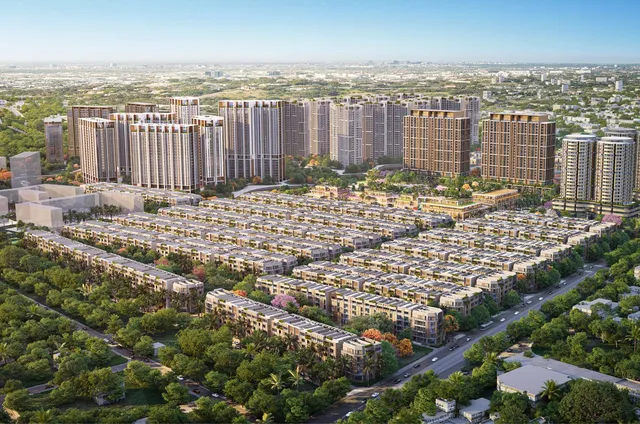 Selling now Foreign quota
 Masterise Homes · Luxury apartment & integrated township
The Global City
An Phu, Thu Duc City (former District 2), HCMC
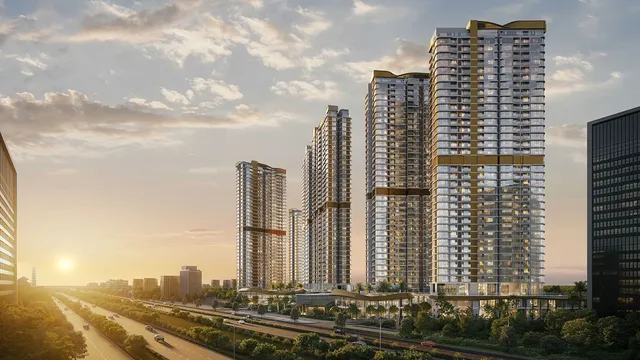 Selling now Foreign quota
 Gamuda Land · Luxury apartment
Eaton Park
An Phu, Thu Duc City, HCMC
 Selling now Foreign quota
 SonKim Land × Hongkong Land · Branded residences
The Metropole Thủ Thiêm
Thu Thiem, Thu Duc City, HCMC