Can Foreigners Own Land in Vietnam? The Honest 2026 Answer
Short answer: no, foreigners cannot own land in Vietnam — but that does not mean you cannot own property. In Vietnam, all land belongs to the people and is administered by the State, so even Vietnamese citizens do not “own” land in the freehold sense. What everyone holds instead is a land use right (LUR), and foreigners can legally own apartments and certain houses built on that land. This guide explains exactly what you can and cannot own as a foreign buyer in 2026, where the limits lie, and how to avoid the traps.
This article is general information, not legal or tax advice. Vietnamese property law is evolving and individual circumstances vary — always confirm with a licensed Vietnamese lawyer before signing anything.
Foreigners cannot own land in Vietnam — but no one technically “owns” land here
The single most important concept to grasp is that Vietnam has no private freehold land ownership for anyone — foreign or local. Under Vietnam’s constitution and the Land Law 2024 (effective 1 January 2025), land is collective property of the entire people, with the State acting as administrator. Citizens and organizations are granted land use rights — a legally tradable, mortgageable, inheritable right to use a defined plot — but the land itself is never sold outright.
This is why “Can foreigners own land in Vietnam?” is the wrong question. The right question is: “What rights over property can a foreigner legally hold?” And the answer is more generous than most newcomers expect. You can buy, register, sell, lease out, and inherit a home — you simply hold it through a use-right framework rather than absolute land title.
If you are new to the system, start with our foreigner guide to buying property in Vietnam for the big-picture overview before diving into the specifics below.
What foreigners CAN own: apartments and limited houses in licensed projects
Foreigners can legally own apartments (condominiums) and a restricted number of landed villas/townhouses, but only inside commercial housing projects approved for foreign sale. This right comes from the Housing Law 2023 (in force since 1 August 2024). The key boundaries are:
- Apartments (condos): the most common and straightforward purchase. You receive ownership of the unit plus a share of common land use rights.
- Landed houses (villas, townhouses): permitted, but only within the same licensed commercial projects — never standalone land plots or houses bought directly from a local owner on the open market.
- Off-plan and resale: you can buy from the developer (primary) or from another eligible foreign owner (secondary), provided the project still has foreign quota available.
What you cannot buy is bare land, agricultural land, a “Red Book” plot from a private Vietnamese seller, or a house in a residential area that is not an approved project. Those routes are closed to foreign individuals, and structures that try to work around them (see the nominee section below) carry serious risk.
Browse our current Happy Land projects to see developments that are already licensed for foreign ownership — flagships like The Global City, Eaton Park, and The Metropole Thu Thiem all sell within the foreign quota.
If you’d like us to confirm whether a specific unit still has foreign quota available, send us the details and we’ll check.
The 50-year term, the 30% quota, and the other hard limits
Foreign ownership comes with three structural caps you must plan around: a 50-year term, a 30% per-building quota, and national-defense zone exclusions. These are the rules that most distinguish a foreign owner’s position from a local’s.
| Limit | What it means | Source |
|---|---|---|
| 50-year term | Your ownership runs 50 years from the date your certificate is issued, renewable once for up to another 50 years (100 years total). | Housing Law 2023 |
| 30% per building | Foreigners may own at most 30% of the units in a single apartment building (and 30% per block in multi-block complexes). | Housing Law 2023 / Decree 95/2024 |
| Landed cap | For landed houses, foreign ownership is capped at roughly 250 houses per administrative ward-equivalent area. | Housing Law 2023 |
| Restricted zones | No purchases in national-defense or security areas — border regions, islands, land near military sites, and certain sensitive zones. | Decree 95/2024 |
The 50-year clock is the issue that worries investors most. It is a term limit, not a guaranteed renewal. You apply to the provincial People’s Committee before expiry, and if you still meet the conditions the extension is generally granted for up to another 50 years — but approval is at the authorities’ discretion and not automatic. If you neither renew nor sell, the property reverts to the State. For practical purposes, most foreign buyers treat their unit as a 50-year asset they will resell or pass on well before expiry.
For the full breakdown of who qualifies and the document trail, see our buying process guide for foreigners.
The big exception: marrying a Vietnamese citizen changes everything
If you marry a Vietnamese citizen residing in Vietnam, you step out of the foreign-buyer regime almost entirely. Under the Land Law 2024 and Housing Law 2023, a foreigner married to a Vietnamese national living in the country is treated, for housing purposes, much like a citizen:
- The 50-year term and the 30% / 250-unit quotas no longer apply to you.
- You can hold housing on an indefinite (stable, long-term) basis, similar to your spouse.
- You gain access to a far wider pool of properties, including ones outside the foreign-licensed project list.
This is the closest thing to “freehold” available to a foreign individual — and it is the single biggest reason the marriage route is so often discussed in expat circles. That said, it interacts with marital-property law and divorce/inheritance rules in ways that deserve careful, personalized legal advice. Do not assume the certificate will simply read in your sole name.
What you actually receive: the “Pink Book” certificate
Your legal proof of ownership is the Certificate of Land Use Rights and Ownership of Assets Attached to Land — the document everyone still calls the “Pink Book.” The Land Law 2024 merged the old residential “Pink Book” and land-use “Red Book” into a single unified certificate.
For an apartment, this certificate records your ownership of the unit and your share of the common land use rights, and it names the ownership term (the 50-year window for standard foreign buyers). It is the document you need to resell, to bequeath, and — where banks permit — to use as collateral. Treat the moment the developer hands over a genuine, registered certificate in your name as the real completion of your purchase; a sale-and-purchase agreement alone is not full title.
Costs, registration fees, and the taxes attached to acquiring and holding this certificate are covered in our taxes and costs guide.
What foreigners CANNOT do — and the nominee trap
The most dangerous mistake is trying to “own land” indirectly through a Vietnamese nominee. Because the freehold land that’s off-limits to foreigners is so attractive, some buyers are tempted to put a plot or non-eligible house in the name of a Vietnamese spouse, friend, or company they control. Be clear-eyed about this:
- A nominee arrangement is not legally enforceable as foreign ownership. On paper, the Vietnamese name on the certificate is the owner.
- If the relationship sours, the nominee dies, or a dispute arises, you may have little or no recourse to recover the asset or its value.
- Courts will not rewrite the certificate in your favor simply because you paid.
Alongside the nominee trap, the firm “cannot” list for standard foreign buyers includes: bare/agricultural land, Red Book plots from private sellers, houses outside licensed projects, property in national-defense zones, and any purchase that pushes a building over its 30% foreign quota. Genuine, certificate-backed ownership inside a licensed project is the only route that protects your money.
When the time comes to sell or repatriate your proceeds, the process has its own rules — our guide to repatriation of funds from Vietnam property explains how to move sale proceeds out of the country cleanly.
Putting it together: a realistic ownership plan
For most foreign buyers, the practical reality is straightforward and safe: buy an apartment in a licensed project, get a genuine Pink Book in your name, and treat it as a renewable 50-year asset. That gets you a registered, resellable, inheritable home without the legal exposure of trying to chase land you can’t legally hold. If you marry a Vietnamese citizen, your options widen dramatically and the term/quota caps fall away.
Where buyers get burned is at the edges — unlicensed projects, exhausted quotas, restricted zones, and nominee schemes. Those risks are entirely avoidable with proper project verification and a Vietnamese lawyer reviewing your contract and certificate.
To learn more about how Happy Land helps foreign buyers verify quota, confirm a project’s foreign-sale license, and complete a clean purchase, visit our about page — or talk to our team directly about your situation.
Conclusion
No, foreigners cannot own land in Vietnam — but that limitation is far less restrictive than it first sounds. Through the land use right framework, you can legally own apartments and qualifying houses inside licensed projects, hold a genuine Pink Book certificate, and resell or pass the property on. The 50-year term, the 30% quota, and the national-defense zone exclusions are the guardrails to plan around, and marriage to a Vietnamese citizen lifts most of them. Get the project licensing verified, get the certificate in your name, and get independent legal advice — do those three things and your ownership stands on solid ground.
Frequently asked questions
Can foreigners own land in Vietnam outright?
No. Under Vietnamese law all land belongs to the people and is administered by the State, so there is no private freehold land ownership for anyone — foreign or Vietnamese. What you can own is a land use right plus the building (apartment or qualifying house) on it. Foreigners hold this through licensed commercial projects, not as bare land.
What is the difference between land use rights and owning an apartment?
A land use right (LUR) is the legally tradable right to use a defined piece of land, granted by the State rather than sold as freehold. When a foreigner buys an apartment, they own the unit itself plus a share of the common land use rights for the building, recorded on the unified certificate (the 'Pink Book'). You never receive standalone title to the underlying land.
How long can a foreigner own property in Vietnam?
Standard foreign ownership runs for 50 years from the date the certificate is issued, and can be extended once for up to another 50 years (100 years total). Renewal is applied for at the provincial People's Committee and is generally granted if you still meet the conditions, but it is discretionary, not automatic. Foreigners married to a Vietnamese citizen are not bound by this 50-year term.
Can a foreigner married to a Vietnamese citizen own property like a local?
Largely, yes. A foreigner married to a Vietnamese citizen residing in Vietnam is treated similarly to a citizen for housing purposes — the 50-year term and the 30% / 250-unit quotas no longer apply, and ownership can be held on an indefinite basis. Because this interacts with marital-property and inheritance law, you should get personalized legal advice on how the certificate is titled.
Is it safe to buy land in Vietnam using a Vietnamese nominee?
No. Putting land or a non-eligible house in a Vietnamese spouse's, friend's, or controlled company's name does not give you enforceable foreign ownership — on paper, the named person is the legal owner. If a dispute arises you may have little or no recourse to recover the asset or your money. The only protected route is genuine, certificate-backed ownership inside a licensed project.
Projects for sale now
Get the latest price list, availability & payment terms — free advice via Zalo/WhatsApp.
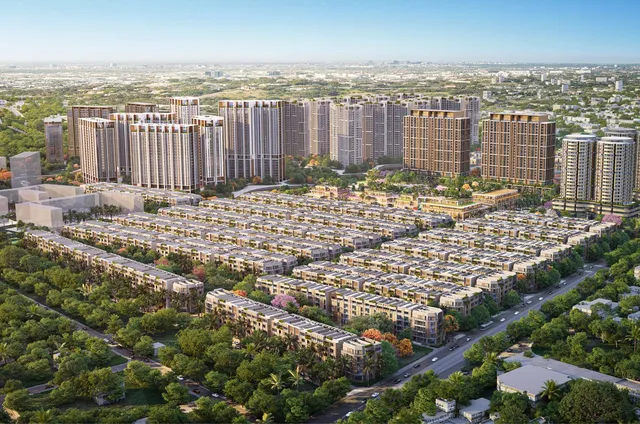 Selling now Foreign quota
 Masterise Homes · Luxury apartment & integrated township
The Global City
An Phu, Thu Duc City (former District 2), HCMC
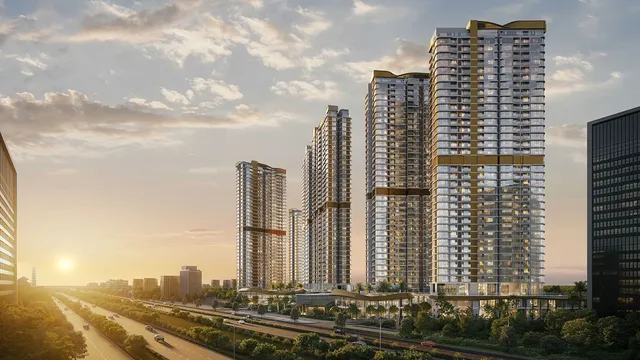 Selling now Foreign quota
 Gamuda Land · Luxury apartment
Eaton Park
An Phu, Thu Duc City, HCMC
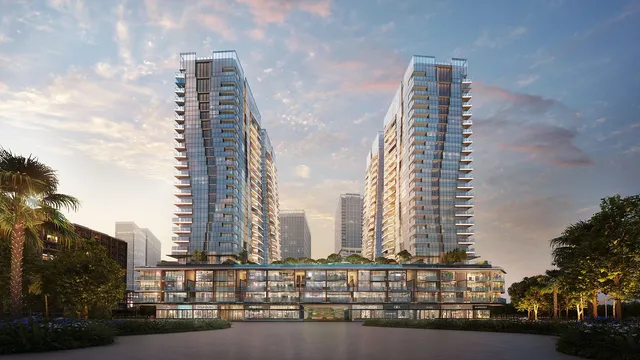 Selling now Foreign quota
 SonKim Land × Hongkong Land · Branded residences
The Metropole Thủ Thiêm
Thu Thiem, Thu Duc City, HCMC