
Buying Property in HCMC for Families: Schools & Best Areas (2026)
For a foreign family relocating to Ho Chi Minh City (HCMC), one decision tends to organise all the others: where the children will go to school. In practice, the campus you choose draws an invisible circle on the map, and the homes worth viewing — to rent or to buy — sit inside it. This guide explains how international schools shape where expat families live in HCMC, which areas work best, how to weigh buying against renting on a posting, and how to choose a family-sized home that holds its value.
This is general information for relocating families, not legal, tax or immigration advice; Vietnamese rules and figures change, so confirm specifics with a licensed professional before you commit.
Why schools decide where families live
In most global cities, families pick a neighbourhood and then find a school. In HCMC the logic runs the other way. The large, internationally accredited campuses are concentrated in a handful of areas, and morning traffic makes a “10-minute” commute on the map feel very different at 7:30am. So experienced relocators choose the school first, then look for a home within a short, predictable drive of it.
The two anchor areas are Thao Dien (in Thu Duc City, the former District 2) and Phu My Hung in District 7. Thao Dien clusters several of the city’s best-known campuses — International School Ho Chi Minh City (ISHCMC), the British International School (BIS), the European International School (EIS), with the Australian International School and German School nearby in the An Phu/Thu Thiem area. District 7 is anchored by Saigon South International School (SSIS) and Renaissance International School Saigon, and is the long-standing base for Korean, Japanese and Taiwanese families. Curricula across these campuses span British (IGCSE/A-Level), American (AP), and the International Baccalaureate, so families often shortlist by curriculum and language continuity first, then by location.
A practical note for buyers: school catchment is informal here — there are no public-school zoning lines tying a home to a campus. What matters is the commute. That is why two families enrolling at the same school can sensibly choose different neighbourhoods, and why you should test the actual school run, by car or shuttle, before signing anything.
What families prioritise (beyond the school)
Once the school is set, families weigh a familiar checklist. The order varies, but the items rarely do:
- Commute to school — the single biggest day-to-day quality-of-life factor; many families want under 20 minutes door-to-door.
- Green space and safety — parks, riverside paths, low-traffic streets, and a compound or building with secure access for children.
- Family amenities — international supermarkets, clinics and hospitals, swimming pools, playgrounds, and English-speaking services.
- Commute to work — proximity to the central business district (District 1) or to the parent’s office for the working spouse.
- Community — an established expat network for the accompanying partner and for the children’s social life.
- Resale and rental demand — for buyers, whether the home will let easily or sell on to the next family if plans change.
These priorities pull gently in different directions. Thao Dien wins on walkability, community and school choice but is busier and pricier; Phu My Hung wins on calm, planning and value but adds commuting time to the centre; central District 1 wins on convenience for a working parent but offers less green space and fewer family-scale homes.
Area-by-area: the family map
The table below summarises the main family areas. Rent ranges are indicative 2026 figures for furnished family-sized homes and move constantly; treat them as a starting point, not a quote.
| Area | School proximity | Character & green space | Typical 2-3BR rent (indicative) | Best suited to |
|---|---|---|---|---|
| Thao Dien (Thu Duc City / old D2) | Highest concentration: ISHCMC, BIS, EIS; AIS/German nearby | Leafy, riverside, walkable cafes & supermarkets; busiest expat hub | ~$1,100–$2,500 apt; villas $2,500–$8,000+ | Western families wanting school choice & community |
| Phu My Hung (District 7) | SSIS, Renaissance; RMIT university nearby | Master-planned, wide boulevards, parks, low traffic, very safe | ~$900–$2,200 apt | Asian expat families; calm, planned living, value |
| District 1 (central) | Limited campuses; reach D2/D7 by car | Dense, convenient, dining & offices; little green space | Premium for space; fewer large units | Working parents prioritising commute & convenience |
| Binh Thanh (Vinhomes Central Park area) | Schools within/near the complex; D1 close | Modern high-rise, riverside park, near Landmark 81 | ~$900–$2,000 apt | Families wanting modern amenities near the centre |
| An Phu / Thu Thiem | Adjacent to D2 schools; AIS, German School | Newer developments, quieter than Thao Dien core | Varies; new-build premium | Families wanting newer stock near D2 campuses |
For deeper, area-specific reading, see Happy Land’s best areas to buy property in HCMC for foreigners, the Thao Dien apartments for sale guide, and the District 2 / Thu Duc property guide. If you are still planning the move itself, the moving to Ho Chi Minh City expat guide covers logistics, visas and setting up day-to-day life.
Buy or rent? An honest frame for a posting
Many families arrive on a fixed posting — typically two to three years — often with a housing allowance in the corporate package. For that profile, renting is usually the sensible default. It keeps you flexible if the school choice changes, if the commute proves worse than expected, or if the assignment ends early. The HCMC rental market for family homes is deep and competitive, which works in a tenant’s favour.
Buying tends to make sense when the horizon is longer — five years or more — when the family expects to stay or return, or when the purchase is also an investment intended to be rented out later. Some families buy a home near schools precisely because that segment lets reliably to the next rotation of expat tenants.
A few realities to weigh honestly:
- Ownership is leasehold, not freehold. Foreigners hold a 50-year ownership term (renewable), not perpetual title — fine for living and investing, but a different mindset from buying back home.
- Transaction and exit costs are real. Purchase taxes, fees, furnishing, and the time and cost of reselling a foreign-eligible unit all eat into a short holding period.
- The buy-side market is thinner than the rental market. Most expat-family demand is for rentals, so reselling a family home to another foreigner can take longer than letting it.
- Currency and remittance. Plan how funds enter Vietnam and how sale proceeds or rent are repatriated; this is an area to confirm with a bank and a licensed adviser early.
If you are weighing the two, model your own numbers over your actual expected stay rather than relying on rules of thumb.
What foreign families can legally buy
Vietnam’s framework — the Housing Law 2023 and Land Law 2024 — allows foreign individuals to own residential property within approved commercial projects, with clear limits:
- Leasehold term: foreign individuals may own for up to 50 years from the date the ownership certificate is issued, extendable once for a further term if conditions are met.
- No direct land ownership: foreigners cannot directly hold land use rights; the land stays with the State, so a “villa” purchase is really ownership of the house within an eligible project, not the land outright.
- Building cap: foreign ownership is limited per development — commonly described as up to 30% of the apartments in a block — so a specific unit may or may not be foreign-eligible even if the building is.
- Project eligibility matters: crucially for families, many of the charming older villas in Thao Dien are individually owned local properties, not units inside an approved commercial project, which means they are typically available to foreigners for rent but not purchase. Foreign buyers are usually steered toward eligible apartment projects or villa compounds with the right legal status.
The single most important due-diligence step is to confirm, in writing and before any deposit, that the exact unit you want sits within the foreign quota and has a clean ownership certificate (the “pink book”). Article numbers and procedures evolve and can be interpreted differently case by case, so engage a licensed Vietnamese lawyer to verify a specific transaction — this guide is not a substitute for that advice.
Choosing a family-sized home
Once the area and the legal route are settled, the home itself comes down to layout and lifestyle more than headline floor area.
Apartments (2-3 bedrooms). A furnished two-bedroom suits a couple with one young child; three bedrooms give room for two children, a live-in helper, storage, or visiting family. In family buildings, look for a pool, a kids’ area, secure lift access, and a unit away from lift-lobby and road noise. Higher floors trade a few minutes of commute for quiet and views.
Compound villas. In Thao Dien especially, gated compounds offer townhouses and detached villas with gardens and shared or private pools — popular with families of younger children who want outdoor space and a community of other expat families on site. They command a premium and, for buyers, require extra care that the project carries foreign-eligible legal status.
Whichever you choose, walk the actual school run at the actual time of day, check the building’s backup power and water, and confirm management quality and service charges. For a family, a well-run building near the right campus beats a slightly larger unit that adds 15 minutes to every morning.
Resale and rental demand near schools
For buyers, proximity to major campuses is a genuine value anchor. Family-sized homes within an easy commute of Thao Dien and Phu My Hung schools draw from a steady, rotating pool of corporate and expat tenants, which supports both rental occupancy and resale interest when the next family is posted in. Reported gross rental yields in prime expat areas are commonly cited in the mid-single-digit range, occasionally higher for well-priced units — figures that are indicative and shift with supply and the macro cycle, not promises.
Two structural tailwinds are worth noting for 2026. First, Metro Line 1 is coming into service, and homes within walking distance of a station are expected to benefit on both rental and resale demand. Second, continued new-build supply in An Phu, Thu Thiem and District 7 gives buyers modern, foreign-eligible stock with the amenities families want. As always, the safest purchase is a well-located, well-managed unit with clean legal status — not the cheapest headline price.
Putting it together: a relocation checklist
| Step | What to confirm | Why it matters for families |
|---|---|---|
| 1. Shortlist schools | Curriculum, language continuity, places available, fees (ask the school directly) | The school anchors the whole search |
| 2. Test the commute | Actual drive/shuttle time at drop-off hour | Map distance misleads in HCMC traffic |
| 3. Choose 1-2 areas | Thao Dien vs Phu My Hung vs central/Binh Thanh | Balance school access, green space, work commute |
| 4. Decide buy vs rent | Length of stay, allowance, exit costs | Short postings usually favour renting |
| 5. If buying, check legality | Foreign quota in the block + pink book, project eligibility | Many older villas are rent-only for foreigners |
| 6. Size the home | 2-3BR apartment vs compound villa; pool/garden | Match layout to your daily routine |
| 7. Verify the building | Management, backup power/water, service charges | Day-to-day liveability for the family |
| 8. Take professional advice | Lawyer for the deal, adviser for tax/remittance | Protects a large, cross-border purchase |
A relocating family’s best outcome usually comes from sequencing these steps in order, rather than falling for a beautiful home that turns out to be 40 minutes from the school gate or, for buyers, not legally available to foreigners.
How Happy Land can help
Happy Land works with foreign families relocating to HCMC every season, matching school choice and commute to the right family-sized apartment or villa — and, for buyers, screening upfront for foreign-eligible projects with clean ownership certificates so you never fall in love with a home you cannot legally purchase. We work at developer pricing with live inventory, so you see what is genuinely available now.
If you would like a shortlist built around a specific campus and commute, message us on Zalo or WhatsApp and tell us the school, your budget, and whether you are leaning toward renting or buying. You can also browse current options in our project listings.
This article is general information only and not legal, tax or immigration advice; rules and figures change and vary by case, so please consult a licensed professional before making any property or relocation decision.
Frequently asked questions
Which Ho Chi Minh City area is best for a family with kids in international school?
For most Western families, Thao Dien (in Thu Duc City, the old District 2) is the default choice because ISHCMC, BIS, EIS and other large campuses are clustered there, alongside a walkable cafe and supermarket scene. Phu My Hung in District 7 is the strongest alternative, especially for Korean, Japanese and families enrolling at Saigon South International School (SSIS) or Renaissance. The honest rule of thumb: pick the school first, then choose a home within a short, predictable drive of it, because morning traffic matters more than map distance.
Should an expat family on a 2-3 year posting buy or rent in HCMC?
For a short posting, renting is usually the more sensible default. Foreign ownership in Vietnam is a 50-year leasehold (renewable), transaction and exit costs are real, the resale market for foreign-eligible units is thinner than the rental market, and many corporate packages already include a housing allowance. Buying tends to make more sense for families staying five years or longer, or treating the purchase as a long-term investment with rental income in mind. Always model your own numbers and take licensed tax and legal advice before committing.
Can foreigners legally buy a family home near schools in HCMC?
Yes, within limits set by the Housing Law 2023 and Land Law 2024. Foreign individuals can buy apartments and, in some cases, landed homes inside approved commercial projects, on a 50-year ownership term that can be extended. Buildings are subject to a foreign-ownership cap (commonly described as up to 30% of units per block), and foreigners cannot directly hold land use rights. Many older Thao Dien villas are not in foreign-eligible commercial projects, so foreign buyers are often steered toward eligible apartment projects. Confirm a specific unit's foreign quota and pink-book status before paying a deposit.
Do homes near international schools hold value and rent well?
Generally yes. Family-sized 2-3 bedroom apartments and compound villas within an easy commute of major campuses in Thao Dien and Phu My Hung enjoy steady demand from a rotating expat and corporate tenant base, which supports both resale interest and rental occupancy. Reported gross rental yields in prime expat areas are often cited in the mid-single digits, sometimes higher for well-priced units. Yields and prices are indicative and change, so treat any figure as a starting point for your own due diligence, not a guarantee.
Is Thao Dien or Phu My Hung better for families?
Both are excellent; they suit different families. Thao Dien is leafier, more central, more walkable, has the widest choice of Western-oriented schools and the strongest English-speaking community, but it is busier and pricier. Phu My Hung (District 7) is a master-planned township with wide boulevards, parks, low traffic and a large Asian expat community, often slightly better value for comparable space, but a longer commute to the central business district. Visit both at school drop-off time before deciding.
How much living space does a relocating family typically need?
Families commonly look for two to three bedrooms. A furnished 2-bedroom apartment suits a couple with one young child; three bedrooms (or a compound villa) gives room for two children, a helper, or visiting relatives, plus storage. Compound villas in Thao Dien add a garden and often a shared or private pool, which many families with younger children prioritise. Match the layout to your daily routine, especially the school run, rather than to headline floor area alone.
Projects for sale now
Get the latest price list, availability & payment terms — free advice via Zalo/WhatsApp.
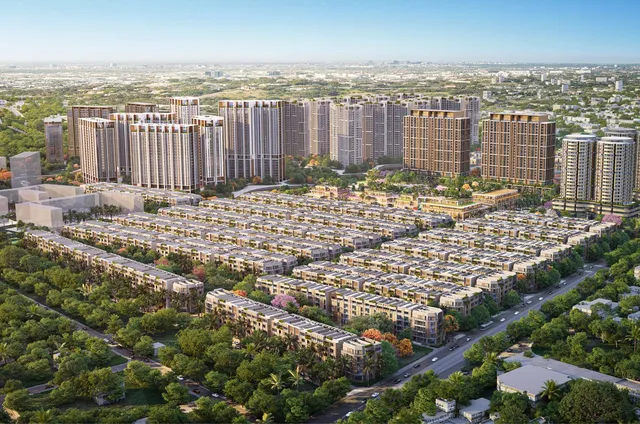 Selling now Foreign quota
 Masterise Homes · Luxury apartment & integrated township
The Global City
An Phu, Thu Duc City (former District 2), HCMC
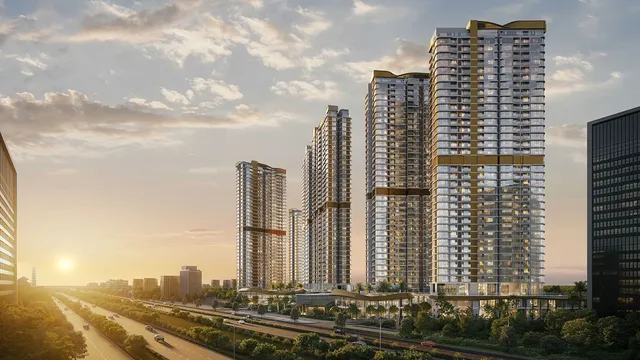 Selling now Foreign quota
 Gamuda Land · Luxury apartment
Eaton Park
An Phu, Thu Duc City, HCMC
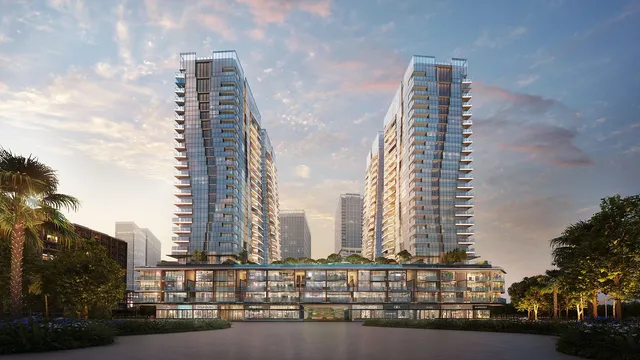 Selling now Foreign quota
 SonKim Land × Hongkong Land · Branded residences
The Metropole Thủ Thiêm
Thu Thiem, Thu Duc City, HCMC