Best Areas to Buy Property in HCMC for Foreigners (2026)
Choosing where to buy in Ho Chi Minh City (HCMC) matters more than almost any other decision a foreign buyer makes — the right district determines your rental tenant pool, your resale liquidity, and whether the all-important 30% foreign ownership quota is even available to you. This guide compares the five areas foreigners ask about most — Thao Dien, the wider District 2 area, District 7 (Phu My Hung), District 1, and Thu Thiem — using current 2026 market data and an honest view of the trade-offs.
General information only — not legal, tax, or investment advice. Always confirm current figures and your eligibility with a licensed lawyer and the developer before committing.
Foreigners can buy condos in any HCMC district, but the 30% quota decides what’s actually available
The legal framework is the same citywide: foreigners may own apartments in approved commercial projects on a renewable 50-year leasehold, capped at 30% of units per building. Under the Housing Law 2023 and Land Law 2024, a foreign individual holds a “Pink Book” for 50 years from issue, renewable once with provincial approval. Foreigners cannot own land outright anywhere in Vietnam — you hold the unit and a land-use right, not the freehold. There is also a ward-level ceiling (a maximum number of houses per administrative area), which became more relevant after HCMC’s 2025 administrative merger redrew ward boundaries and renamed many areas with words instead of numbers.
What changes from district to district is not your rights but your options. In hot projects the foreign 30% bucket fills fast, so in practice the “best area” for you is often wherever an eligible, well-located unit is still inside the quota. If you want a primer on the rules first, read our buying process guide for foreigners before shortlisting areas.
If you’d rather skip straight to projects with confirmed foreign quota, our team can check live availability — tell us your budget and goals.
The five areas at a glance
Each district serves a different buyer: lifestyle, family value, prestige, or new-CBD capital growth. Prices below are indicative 2026 ranges for new and resale apartments and should be treated as reference points, not quotes — pricing moves by tower, view, and launch phase.
| Area | Indicative price (USD/sqm) | Typical gross yield | Best for | Foreign quota availability |
|---|---|---|---|---|
| Thao Dien (District 2 area) | ~$3,500–5,000 | ~4–5% | Expat lifestyle, rental income | Moderate (older stock) |
| Wider District 2 / new launches | ~$4,000–7,000+ | ~3.5–4.5% | Capital growth + Metro | Tight on hot launches |
| District 7 (Phu My Hung) | ~$2,500–4,500 | ~4–5% | Families, value, schools | Often available |
| District 1 (CBD) | ~$5,500–12,000+ | ~3–4% | Prestige, trophy assets | Very tight |
| Thu Thiem | ~$7,000–12,000+ | ~3.5–4.5% | Premium new CBD, branded residences | Fills very fast |
Sources for ranges include market reporting from Savills Vietnam, CBRE, and independent 2026 market trackers; verify against current developer price lists.
Thao Dien is the proven expat rental district — mature, liveable, lower entry price
Thao Dien is the safest “first buy” for foreigners who want easy tenants and a Western lifestyle, even though it’s no longer the cheapest growth play. Sitting in the District 2 area of Thu Duc City, Thao Dien has international schools, Western supermarkets, riverside cafes, and the deepest expat tenant pool in HCMC. A liveable two-bedroom (70–80 sqm) typically runs around $250,000–400,000, and gross yields of roughly 4–5% are achievable because demand from Western and corporate tenants is consistent.
The honest caveat: much of Thao Dien’s stock is older low-rise, foreign quota in legacy buildings can be partly filled, and the area floods in heavy rain in spots. It’s a rental-income and lifestyle play more than a pure capital-growth bet. For buyers who want newer towers nearby, look at the An Phu and Thu Thiem corridor next door. For the full picture of the area, see our Thao Dien apartments guide.
The wider District 2 area offers the strongest capital-growth story — Metro plus mega-projects
District 2’s new master-planned launches combine the Metro Line 1 catalyst with branded-developer quality, making it the top capital-growth pick for many foreign investors. Metro Line 1 (Ben Thanh to Suoi Tien) entered commercial operation, running directly through the District 2 corridor and historically lifting values near stations. Flagship launches here include Eaton Park by Gamuda Land on Mai Chi Tho Boulevard, The Global City with its Masteri Grand View phase, and The Prive.
Expect ~$4,000–7,000+/sqm depending on project and view, with yields compressing to ~3.5–4.5% because prices have outrun rents. The trade-off is timing and quota: the best towers sell their foreign 30% bucket quickly, and you’re often buying off-plan, so developer track record and handover risk matter enormously.
Before you commit to an off-plan unit, it’s worth understanding the full cost stack — our taxes and costs guide breaks down VAT, registration, and the maintenance fund. For the area itself, see our District 2 / Thu Duc property guide.
District 7 (Phu My Hung) is the family-value choice — schools, space, and easier quota
District 7 offers the best value-per-square-meter for families and is usually where foreign quota is genuinely available. Phu My Hung is HCMC’s original master-planned township: wide green streets, top international schools (notably the established international-school cluster), parks, and a large Korean and Japanese community. New units run roughly $2,500–4,500/sqm — clearly below District 2 and the CBD — and yields of ~4–5% are realistic thanks to steady family-tenant demand.
The honest downsides: it’s far from the District 1 CBD and not on Metro Line 1’s primary corridor, so the capital-growth narrative is quieter than Thu Thiem or District 2. For a buyer prioritizing livability, school access, and getting a unit inside the quota without a scramble, District 7 is frequently the sensible answer. See our District 7 (Phu My Hung) property guide for the detail.
District 1 is the prestige play — trophy assets, lowest yields, thinnest availability
District 1 buys you the most prestigious, most liquid trophy addresses in Vietnam, but at the highest price and the lowest rental yield. The CBD hosts branded and ultra-luxury towers — names like The Marq, Grand Marina Saigon, and The Metropole Thu Thiem just across the river — where pricing reaches $5,500–12,000+/sqm. Yields here are typically only ~3–4% because capital values are so high, but the tenant pool of senior executives and the resale appeal to wealthy domestic buyers make these among the easiest units to exit later.
The catch for foreigners is availability: the 30% quota in flagship CBD towers fills almost immediately, often during private VIP rounds before public launch. If a District 1 unit inside the foreign quota appears, it tends to move fast. See our District 1 luxury apartments guide for the CBD’s trophy towers.
Thu Thiem is the institutional “new CBD” bet — high ceiling, premium entry, fast-filling quota
Thu Thiem is HCMC’s purpose-built new CBD and the most ambitious capital-growth story, but it commands premium pricing and its foreign quota fills very quickly. Often compared to Shanghai’s Pudong, the Thu Thiem peninsula in Thu Duc City is Vietnam’s only institutional-grade new financial center, with infrastructure built to international standards directly across the river from District 1. Branded residences here — The Metropole Thu Thiem, Grand Marina’s wider ecosystem, and the Masteri Grand View cluster — sit at roughly $7,000–12,000+/sqm.
The honest reality: much of Thu Thiem is still maturing, so today you’re buying a future skyline more than a finished neighborhood, and rental yields (~3.5–4.5%) lag the premium price. Foreign quota in marquee towers is among the first to sell out city-wide. This is a conviction, longer-horizon bet on HCMC’s eastward shift. See our Thu Thiem property guide for the new-CBD detail.
How to choose: match the area to your actual goal
The “best” area depends entirely on whether you’re optimizing for yield, capital growth, livability, or prestige — there is no single winner. A quick decision frame:
- Rental income + easy tenants: Thao Dien or District 7.
- Capital growth on the Metro: wider District 2 (Eaton Park, The Global City).
- Trophy asset + resale liquidity: District 1.
- Long-horizon new-CBD conviction: Thu Thiem.
- Family value + available quota: District 7.
Whichever you pick, three foreigner-specific checks decide the deal: (1) is foreign quota still open in that exact building; (2) is the project legally cleared for foreign sale with a clear path to the Pink Book; and (3) have you budgeted total closing costs — on a new-build with VAT not included, costs can reach well into double digits as a percentage once 10% VAT and the 2% maintenance fund are added, versus low single digits on resale. Plan your exit too: read our guide on repatriating funds before you buy, not after.
You can browse current eligible inventory across all five areas on our projects page, see the citywide picture in our HCMC apartments-for-sale guide, or learn how we work on our about page.
Conclusion
For most foreign buyers in 2026, the smart shortlist is narrow: Thao Dien and District 7 for dependable rental income and livability, the wider District 2 for Metro-driven growth, and District 1 or Thu Thiem for premium, longer-horizon positioning. The binding constraint is rarely your legal right to buy — it’s finding a well-located, legally clean unit while foreign quota is still open. Because that availability shifts week to week, the most useful next step is a live check against your budget.
Ready to see what’s actually available inside the foreign quota right now? Send us your criteria and we’ll come back with eligible options.
This article is general information for 2026 and not legal, tax, or financial advice. Prices are indicative ranges, not offers. Confirm all figures, eligibility, and quota status with a licensed Vietnamese lawyer and the developer before transacting.
Frequently asked questions
Can foreigners legally buy an apartment in any HCMC district?
Yes. Foreigners can buy apartments in approved commercial projects in any district on a renewable 50-year leasehold, capped at 30% of units per building. The legal rights are the same citywide; what differs is whether eligible units are still available inside that quota. This is general information, not legal advice — confirm eligibility with a licensed lawyer.
Which HCMC area gives foreigners the best rental yield?
Thao Dien (District 2 area) and District 7 (Phu My Hung) typically deliver the strongest gross yields, around 4–5%, thanks to deep expat and family tenant demand. District 1 and Thu Thiem offer prestige and capital-growth potential but lower yields (roughly 3–4%) because purchase prices are much higher. Yields are indicative and not guaranteed.
Is Thao Dien or Thu Thiem better for foreign buyers?
They serve different goals. Thao Dien is a mature, liveable expat district with reliable rental income at a lower entry price. Thu Thiem is a premium, still-maturing new CBD with higher capital-growth potential but premium pricing and fast-filling foreign quota. Choose Thao Dien for income and livability, Thu Thiem for a longer-horizon growth bet.
Why does foreign quota run out so fast in HCMC's best projects?
Each building caps foreign ownership at 30% of units. In flagship District 1 and Thu Thiem towers, that bucket is often sold during private VIP rounds before public launch, especially to investors who want the same trophy addresses. Acting early and checking live quota status per building is essential.
What extra costs should foreigners budget when buying in HCMC?
On new-build apartments, expect a possible 10% VAT (if not included in the quoted price) plus a mandatory 2% maintenance fund, a 0.5% registration fee, and notary charges — total closing costs can reach the low double digits as a percentage. Resale purchases between individuals are usually much lower. These figures are general references for 2026; confirm with the developer and a tax adviser.
Projects for sale now
Get the latest price list, availability & payment terms — free advice via Zalo/WhatsApp.
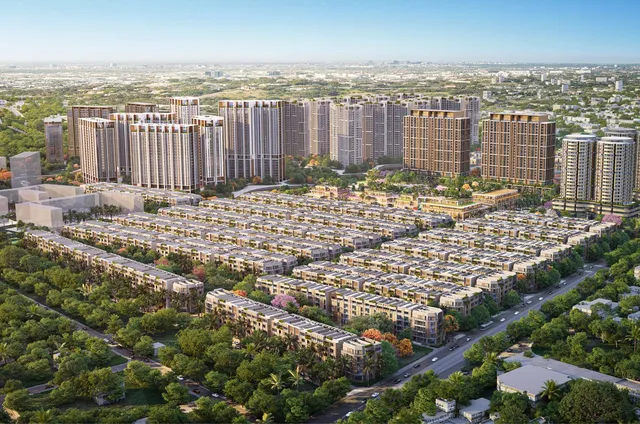 Selling now Foreign quota
 Masterise Homes · Luxury apartment & integrated township
The Global City
An Phu, Thu Duc City (former District 2), HCMC
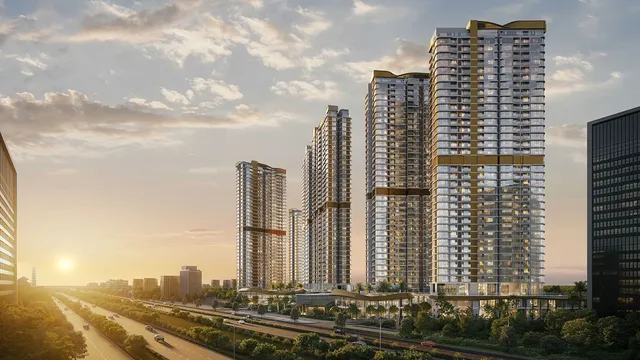 Selling now Foreign quota
 Gamuda Land · Luxury apartment
Eaton Park
An Phu, Thu Duc City, HCMC
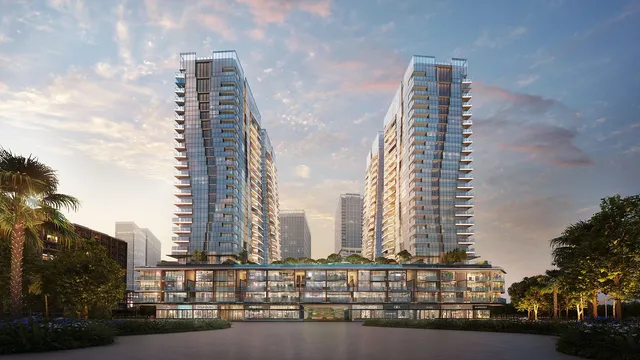 Selling now Foreign quota
 SonKim Land × Hongkong Land · Branded residences
The Metropole Thủ Thiêm
Thu Thiem, Thu Duc City, HCMC