
District 2 / Thu Duc City Property Guide for Foreigners
District 2 — now officially part of Thu Duc City — is the single most popular destination for foreign buyers and expats in Ho Chi Minh City. It blends a 20-year-old expat community in Thao Dien with the rising financial skyline of Thu Thiem, world-class international schools, and the largest pipeline of foreigner-eligible projects in the city. This guide walks through the areas, infrastructure, real projects and honest price ranges so you can decide where to buy.
This article is general information, not legal, tax or investment advice. Property rules, prices and administrative boundaries change — always confirm current details with a licensed lawyer and your bank before committing.
”District 2” no longer exists on paper — but everyone still uses the name
Officially, District 2 was dissolved years ago, and in 2025 Ho Chi Minh City abolished its district system entirely — yet “District 2” remains the term buyers, agents and landlords use every day. Back in 2020, the old Districts 2, 9 and Thu Duc District merged to form Thu Duc City, a “city within the city.” Then in mid-2025, HCMC restructured again: it merged with neighbouring Binh Duong and Ba Ria–Vung Tau provinces and replaced wards and districts with a streamlined set of administrative units. The familiar Thao Dien and Thu Thiem neighbourhoods now fall under new ward names such as An Khanh Ward.
What does this mean for you as a buyer? In practice, very little. The neighbourhoods kept their names, character and street layouts — only the administrative label on your paperwork changed. When you read listings for “District 2,” sellers mean the riverside area east of central District 1 covering Thao Dien, An Phu, Thu Thiem, An Khanh, Binh Trung and Cat Lai. HCMC leadership has publicly stated there will be no further ward reshuffling for years, so the dust has settled. Just be aware your ownership certificate may show a new ward name, and double-check the exact address on any contract.
Ready to talk through a specific building or area? You can reach our Thu Duc City team here for a no-pressure conversation.
The areas: Thao Dien, An Phu, Thu Thiem and beyond
District 2 is not one neighbourhood but several, each with a distinct buyer profile — from village-style expat life in Thao Dien to high-rise financial-district living in Thu Thiem. Choosing the right pocket matters more than choosing the right building.
| Area | Character | Best for | Typical product |
|---|---|---|---|
| Thao Dien | Leafy, village feel; independent cafés, yoga, farmers market | Families, long-stay expats, rental yield | Villas, low/mid-rise apartments |
| An Phu | Slightly more upscale and residential, next to Thao Dien | Families wanting newer stock near schools | Villas, modern apartments |
| Thu Thiem | HCMC’s new CBD/financial district; ultra-modern high-rises with skyline views | Investors, luxury buyers, CBD commuters | Premium branded apartments |
| An Khanh / Binh Trung / Cat Lai | More local, lower density, value-oriented | Budget-conscious buyers, capital-growth bets | Mid-range apartments, townhouses |
Thao Dien and An Phu are the heart of the expat community. Three respected international schools — including the British International School (BIS), ISHCMC and the Australian International School — are within easy reach, which is the main reason families cluster here. You will find international supermarkets (two Annam Gourmet branches), dozens of restaurants, and a Sunday farmers market. This established demand makes the area attractive for rental investors.
Thu Thiem is the high-stakes growth story. Once farmland across the river from District 1, it is being built out as the city’s financial centre, anchored by branded projects, a planned administrative centre, and major bridges. Prices here are the highest in District 2 and rival central District 1, but so is the long-term upside if the master plan is delivered.
Infrastructure: what’s already done and what’s still a promise
The biggest single change for District 2 is that Metro Line 1 is now actually running — and several more transport projects are funded but not yet finished, so buy on today’s reality, not on renderings. Honest infrastructure assessment is where many marketing brochures fall short.
- Metro Line 1 (Ben Thanh – Suoi Tien): operational since December 2024. This 19.7 km line runs through District 2 along the Hanoi Highway corridor, connecting to central District 1 in around 30 minutes. This is real, working infrastructure today — a genuine value-add for projects near stations.
- Ring Road 3: a major beltway intended to ease regional traffic. It has faced delays related to land clearance and is targeted for completion in 2026 — treat any “completing soon” claim with caution.
- Thu Thiem 4 Bridge: a new crossing to District 7, submitted for approval and slated to begin construction around Q4 2026. This is a future catalyst, not a current amenity.
- Thu Thiem – Long Thanh railway: planned to link Thu Thiem to the new Long Thanh International Airport, with construction targeted to start before mid-2026.
- Metro Line 2 (Ben Thanh – Thu Thiem section) and additional proposed lines are in the pipeline.
The lesson for buyers: Metro Line 1 already exists and you can ride it. Everything else is at various stages of approval or construction, with Vietnamese megaprojects historically prone to delay. If a salesperson prices a unit as though every bridge and metro line is finished, push back. For more on how to evaluate projects soberly, see our buying process guide for foreigners.
The projects foreigners are actually buying
District 2 / Thu Duc City has the deepest pipeline of foreigner-eligible projects in HCMC, spanning value mid-rise to ultra-luxury branded towers. Below are leading examples; availability of foreign-ownership quota changes constantly, so confirm before getting attached to a specific unit.
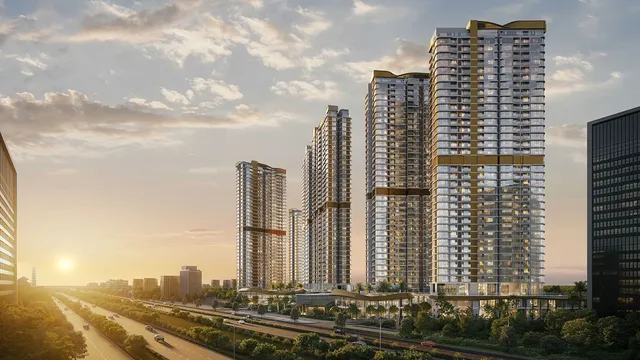
- Eaton Park (An Phu, by Gamuda Land) — six high-rise towers on Mai Chi Tho Boulevard, around 2,000 units, positioned in the high-end segment.
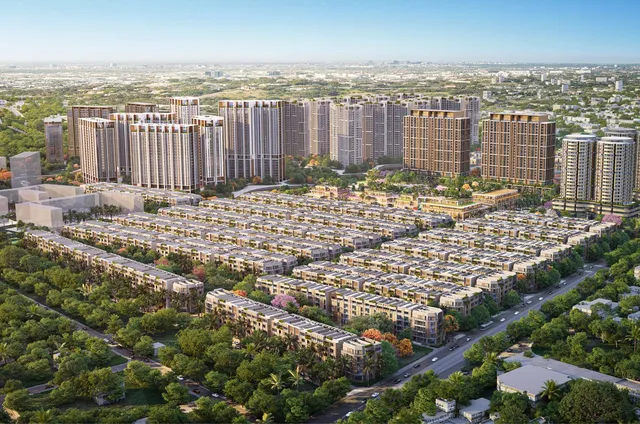
- The Global City (by Masterise Homes) — a large mixed-use township with townhouses and apartments, marketed as a new “downtown” for the east.
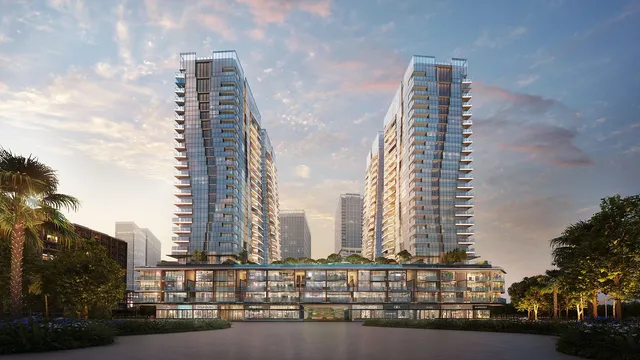
- The Metropole Thu Thiem — a flagship Thu Thiem riverside development with strong resale recognition.
- Masteri Grand View and The Prive — newer launches catering to investors and end-users.
- Lumiere Riverside — a riverside option along the Hanoi Highway corridor near the metro.
For the full, current list of foreigner-eligible buildings with available quota, browse our Thu Duc City projects. If you’d like us to check live quota and pricing on any of the buildings above, send us a quick message.
Prices: honest 2026 ranges, not headline numbers
Expect roughly USD 3,000–5,000 per sqm for mid-range District 2 apartments, USD 5,000–8,000+ for premium Thao Dien/An Phu stock, and well above that in prime Thu Thiem — but use these as reference ranges, not quotes. Vietnamese pricing is opaque, varies by floor, view, tower and payment schedule, and primary-market list prices often exclude VAT and the maintenance fund.
| Segment | Indicative price (USD/sqm) | Notes |
|---|---|---|
| Mid-range apartments (An Khanh, Binh Trung, Cat Lai) | ~3,000–4,500 | Value plays, less established |
| Premium Thao Dien / An Phu / Eaton Park tier | ~5,000–8,000 | Strong rental demand, branded |
| Prime Thu Thiem riverside / luxury branded | 8,000 and well above | Can rival District 1; highest risk/reward |
For rental context, expat apartments commonly rent from around USD 1,800/month for two bedrooms and USD 2,800+/month for premium three-bedroom riverside units; villas in Thao Dien range widely from roughly USD 2,500 to USD 10,000/month. These figures are illustrative and move with the market — never base a purchase on a single quoted number.
Legal rules and costs every foreign buyer must know
Foreigners can buy apartments and houses inside approved commercial projects on a renewable 50-year leasehold, but never the underlying land — and a 30% per-building cap means quota can run out. Under the Housing Law 2023 and Land Law 2024, the key rules are:
- What you can own: apartments and landed houses (villas/townhouses) within eligible, foreign-approved commercial developments. You cannot own land outright — the land stays with the state.
- The 30% quota: foreigners may own up to 30% of units in any single apartment building. Once that fills, no more foreign sales in that building — so confirm quota is open before you commit.
- Landed-property caps: for houses/villas, limits apply per project and per administrative-population area.
- No-go zones: border areas, certain islands and land near military sites are off-limits.
- Tenure: typically a 50-year term, renewable, with extension procedures still maturing in practice.
On the cost side, budget for these in addition to the price (all figures are general references that can change):
| Item | Typical level |
|---|---|
| VAT (new builds, often excluded from list price) | ~10% |
| Maintenance / sinking fund | ~2% of value |
| Registration fee (“pink book”) | ~0.5% |
| Notary and admin | Small additional charges |
| Rental income tax (if you let it, over the annual threshold) | ~10% combined (5% VAT + 5% PIT) on gross |
Total closing costs commonly land between roughly 1.5% and 4% for resale, but can reach 10–14%+ on a new build once VAT and the maintenance fund are added. Read our deep dives on taxes and costs and repatriating sale proceeds — the latter matters because banks require proof of tax payment before allowing overseas transfers.
Conclusion
District 2 / Thu Duc City offers foreign buyers a rare combination: an established, school-anchored expat community in Thao Dien and An Phu, the genuine convenience of an operational metro line, and the long-term upside of the Thu Thiem financial district — plus the city’s widest choice of foreigner-eligible projects. The honest caveats are that “District 2” is now an unofficial nickname, several headline infrastructure projects are still unfinished, prices are opaque, and the 30% quota can close without notice. Approach it as a discerning investor: verify quota, read the contract’s ward name, and price on today’s reality. When you’re ready to look at specific buildings, our Thu Duc City project list and our team are here to help you do it carefully. You may also want to start with our broader foreigner guide.
Frequently asked questions
Is District 2 still called District 2 in 2026?
Not officially. The old District 2 merged into Thu Duc City in 2020, and in 2025 HCMC abolished its district system and reorganised wards (Thao Dien and Thu Thiem now sit under new ward names such as An Khanh Ward). However, buyers, agents and landlords still use 'District 2' as a convenient nickname for the riverside area covering Thao Dien, An Phu, Thu Thiem and nearby neighbourhoods. Check the exact ward name on any contract or ownership certificate.
Can foreigners buy apartments in Thu Duc City / District 2?
Yes, within approved commercial projects. Under the Housing Law 2023 and Land Law 2024, foreigners can own apartments and houses on a renewable 50-year leasehold, but not the underlying land. A 30% cap applies per apartment building, so confirm that foreign-ownership quota is still open in your chosen building before committing. This is general information, not legal advice — verify with a licensed lawyer.
How much does an apartment in District 2 cost in 2026?
As a reference only, mid-range District 2 apartments run roughly USD 3,000–4,500 per sqm, premium Thao Dien/An Phu stock around USD 5,000–8,000, and prime Thu Thiem riverside units well above that, sometimes rivalling District 1. Prices vary heavily by floor, view, tower and payment schedule, and primary-market prices often exclude VAT and the maintenance fund. Always get current, building-specific quotes.
Is the metro in District 2 actually running?
Yes. Metro Line 1 (Ben Thanh – Suoi Tien) opened in December 2024 and runs through District 2, reaching central District 1 in about 30 minutes. This is real, operational infrastructure. Other projects — Ring Road 3, Thu Thiem 4 Bridge, the Thu Thiem–Long Thanh railway and Metro Line 2 — are funded or under construction but not yet finished, so don't price a unit as though they're complete.
What taxes and fees do foreign buyers pay in District 2?
Beyond the price, budget for around 10% VAT on new builds (often excluded from list prices), a roughly 2% maintenance fund, a 0.5% registration fee for the ownership certificate, and minor notary/admin costs. If you rent the property out above the annual threshold, expect about 10% combined tax (5% VAT plus 5% personal income tax) on gross rent. Banks require proof of tax payment before you can repatriate sale proceeds. These are general references that change — confirm with a tax adviser.
Projects for sale in TP. Thủ Đức
Get the latest price list, availability & payment terms — free advice via Zalo/WhatsApp.
 Selling now Foreign quota
 Masterise Homes · Luxury apartment & integrated township
The Global City
An Phu, Thu Duc City (former District 2), HCMC
 Selling now Foreign quota
 Gamuda Land · Luxury apartment
Eaton Park
An Phu, Thu Duc City, HCMC
 Selling now Foreign quota
 SonKim Land × Hongkong Land · Branded residences
The Metropole Thủ Thiêm
Thu Thiem, Thu Duc City, HCMC
 Selling now Foreign quota
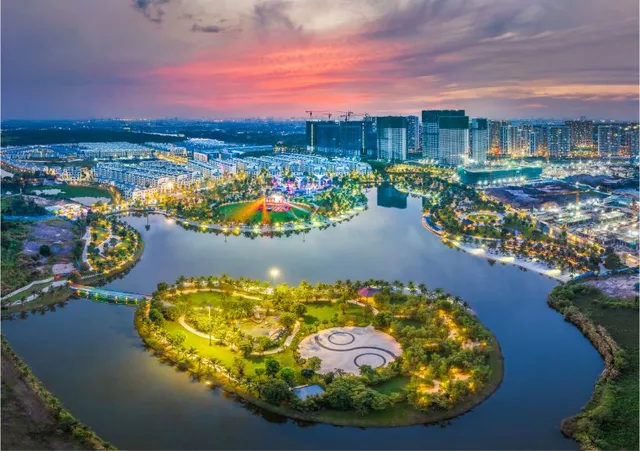
 Vinhomes · Township apartment
Vinhomes Grand Park
Thu Duc City (former District 9), HCMC
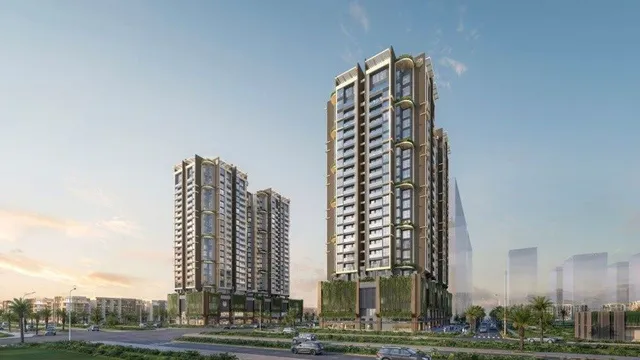 Selling now Foreign quota
 Masterise Homes · Branded luxury residences
Masteri Grand View
An Phu, Thu Duc City, HCMC
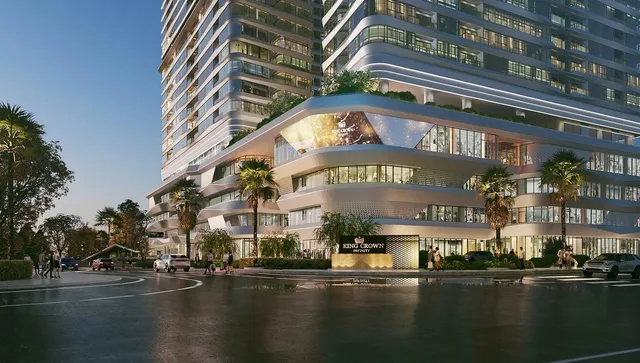 Selling now Foreign quota
 BCG Land (Bamboo Capital) · Luxury branded residences
King Crown Infinity
Binh Tho, Thu Duc City, HCMC
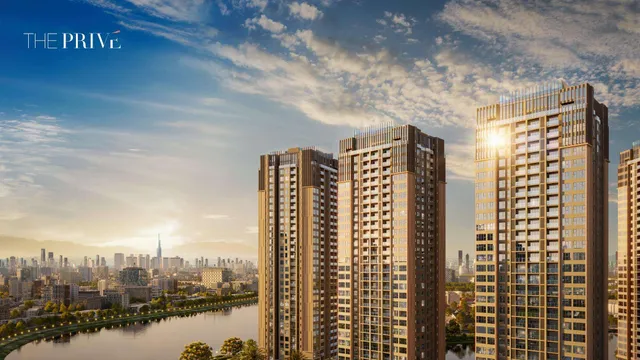 Selling now Foreign quota
 Đất Xanh Group (DXG) · Luxury apartment
The Privé
An Phu, Thu Duc City, HCMC
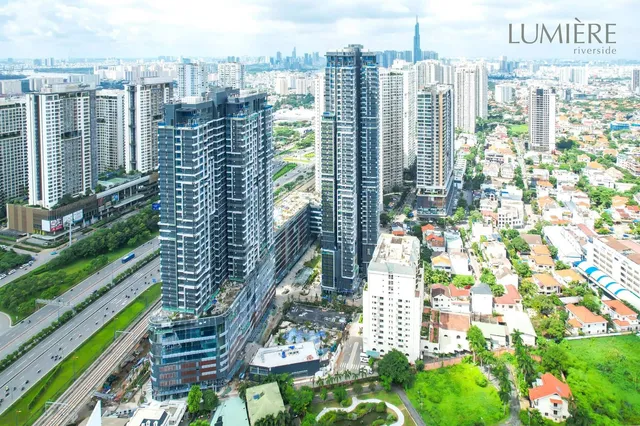 Handed over Foreign quota
 Masterise Homes · Branded riverside residences
Lumière Riverside
An Phu, Thu Duc City, HCMC
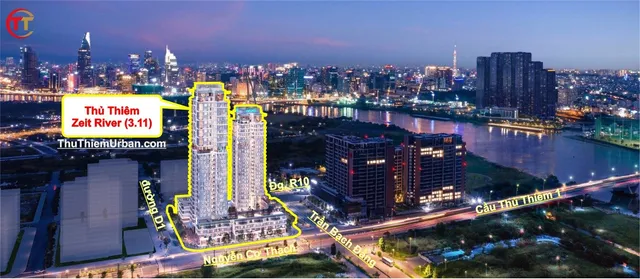 Selling now Foreign quota
 GS E&C (GS Group, Hàn Quốc) · Luxury apartment
Thủ Thiêm Zeit River
Thu Duc City, HCMC
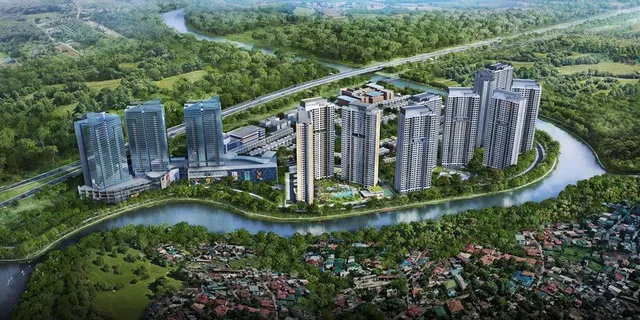 Coming soon Foreign quota
 Keppel Land – Trần Thái – Tiến Phước (Keppel đã thoái vốn 2025) · High-end riverside apartments
Palm City (Giai đoạn căn hộ mới)
An Phu Ward, Thu Duc City (former District 2), HCMC
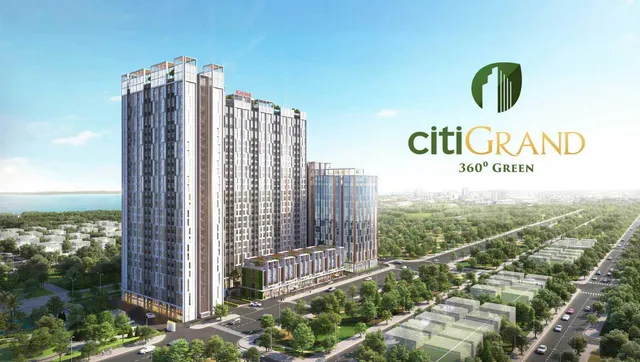 Selling now Foreign quota
 Kiến Á Group · Premium apartment
Citi Grand
Thu Duc City, HCMC
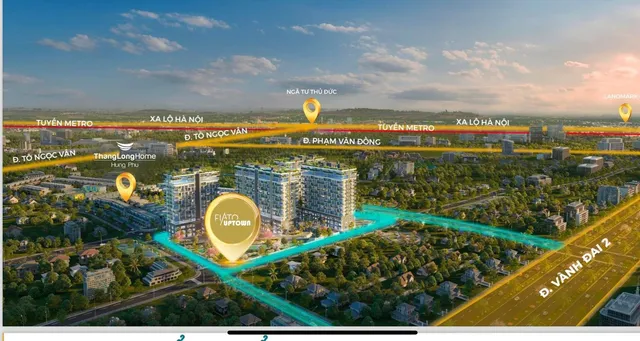 Selling now Foreign quota
 Hưng Phú Invest · Premium apartment
Fiato Uptown
Thu Duc City, HCMC
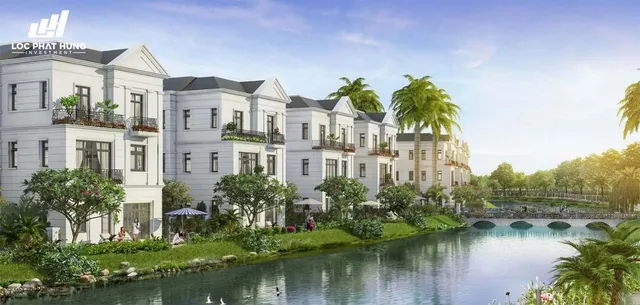 Selling now Foreign quota
 Khang Điền (KDH) hợp tác Keppel Land · Premium villas & townhouses
The Clarita
Thu Duc City (former District 2), HCMC
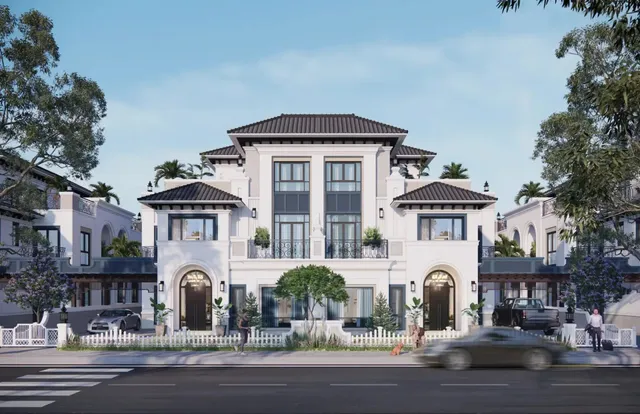 Selling now Foreign quota
 Khang Điền (KDH) hợp tác Keppel Land · Premium gated villas & townhouses
The Emeria
Thu Duc City (former District 2), HCMC
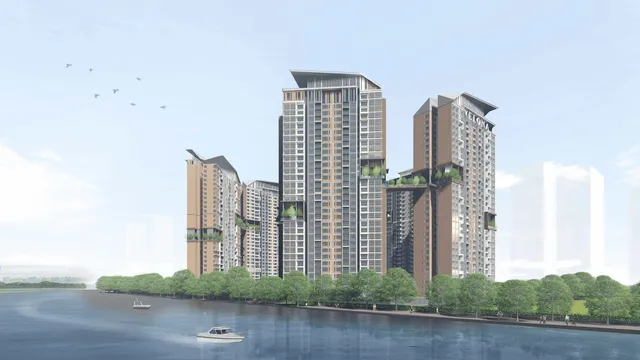 Coming soon Foreign quota
 Keppel Land · Premium apartment
Saigon Sports City
Thu Duc City, HCMC (former District 2)
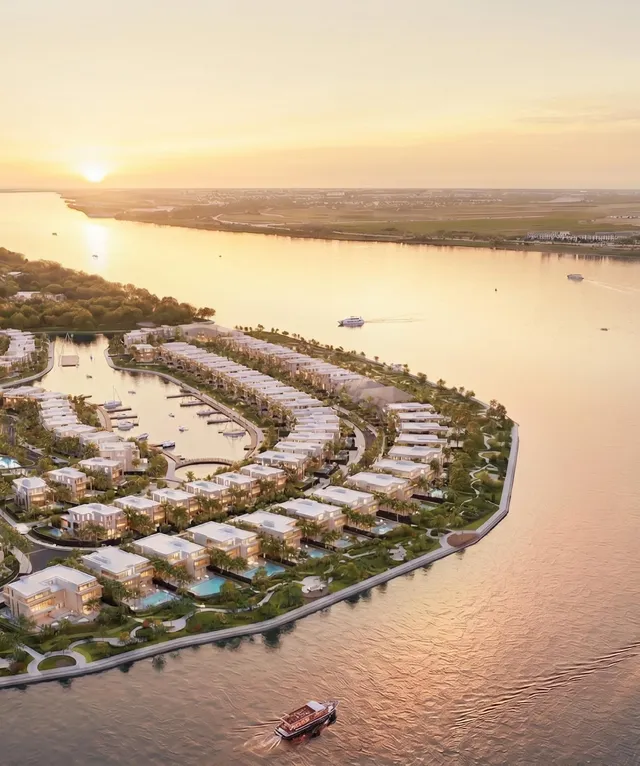 Selling now Foreign quota
 Masterise Homes · Branded mansions (ultra-luxury island villas)
The Rivus Elie Saab
Thu Duc City, HCMC (former District 9, inside Vinhomes Grand Park)
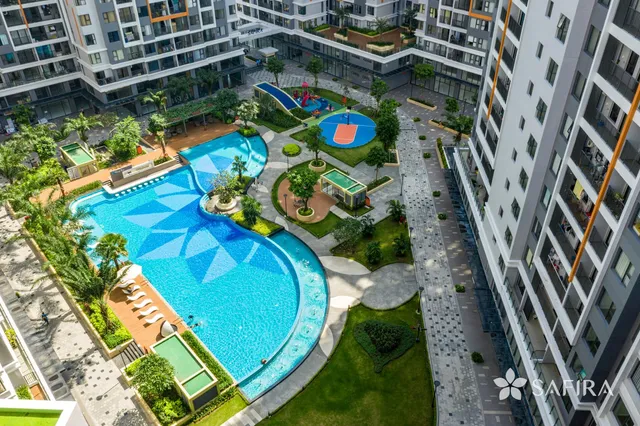 Handed over Foreign quota
 Khang Điền (KDH) · Premium apartment
Safira Khang Điền
Thu Duc City (former District 9), HCMC
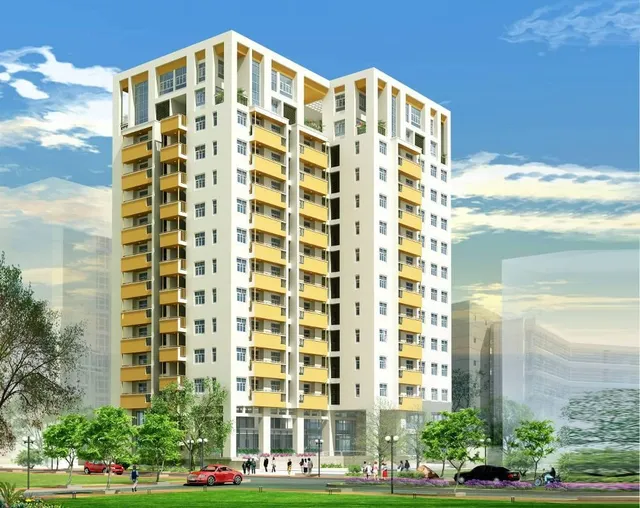 Handed over Foreign quota
 Thủ Đức House (TDH) · Completed (handed-over) apartments
TDH Phước Long
Thu Duc City (former District 9), HCMC