
Moving to Ho Chi Minh City: 2026 Expat Relocation Guide
Relocating to Ho Chi Minh City (HCMC, still affectionately called Saigon) is one of the easier moves in Asia: the cost of living is low, the expat community is large and welcoming, and the city is young, fast, and endlessly energetic. This guide walks you through the practical decisions in order — visa, neighborhood, housing, budget, schools, and healthcare — so you arrive prepared rather than improvising.
One important note before you start: a nationwide administrative merger took effect on 1 July 2025, and on paper the old numbered districts (District 1, District 2, District 7) no longer exist. They were replaced by a two-level “city and ward” system. In daily life, however, almost everyone — landlords, agents, taxi drivers, expats — still uses the old district names. We use both throughout so your address paperwork and your conversations both make sense.
Sorting your visa is the first and most important step
Your legal status determines almost everything else about your move, so settle it before you sign a lease. Most newcomers arrive on one of three routes. The e-visa, applied for online at the government portal (evisa.gov.vn), costs around USD 25, is typically approved in about three business days, and is valid for up to 90 days as single or multiple entry — ideal for scouting trips and short stays. For employment, you will need a work permit, which your Vietnamese employer must apply for on your behalf; you cannot file it yourself. Eligibility generally requires a bachelor’s degree or 3+ years of relevant experience, a recent health certificate, and a home-country criminal background check (both legalized/apostilled). Under the 2025 update to the rules, processing runs roughly 10 working days once documents are complete.
Once you hold a work permit, you can apply for a Temporary Residence Card (TRC), which lets you live in Vietnam for 1–3 years without visa runs, and is the document most long-term expats aim for. Working without a valid permit carries real penalties — fines in the VND 15–25 million range plus possible deportation — so do not freelance on a tourist visa. Remote workers and digital nomads currently operate in a grey zone (Vietnam has no dedicated digital nomad visa yet), typically cycling e-visas. If your situation is complex, talk to a licensed immigration agent before committing.
Thinking about putting down roots rather than renting? See our step-by-step buying process for foreigners once your residency is sorted, or get in touch with our team to map out the right path.
Where you live shapes your whole experience of the city
The “best” area depends entirely on whether you prioritize a quiet, green, family-friendly environment or want to be in the thick of the action. Here is how the main expat zones compare in 2026.
| Area (old name) | New ward / location | Best for | Typical vibe |
|---|---|---|---|
| Thao Dien (District 2) | An Khanh Ward, Thu Duc area | Families, couples, first-timers | Leafy, walkable, international schools, Western cafes and supermarkets |
| District 7 / Phu My Hung | South of center | Families wanting space and order | Planned, green, wide boulevards, parks, Crescent Mall |
| District 1 (Saigon) | Saigon, Ben Thanh, Tan Dinh, Cau Ong Lanh Wards | Young professionals, nightlife | Dense, central, energetic, premium rents |
| Binh Thanh | Near city center | Value-seekers near the action | Up-and-coming, good mid-range value, Landmark 81 |
Thao Dien remains the default landing pad for new arrivals — it is the most “soft-landing” neighborhood, with English widely spoken, walkable streets, and the highest concentration of international schools. District 7 (Phu My Hung) is the most orderly and green part of the city, popular with families who want planned infrastructure and don’t mind being further from the center. District 1 puts you in the center of business and nightlife but at the highest rents. Binh Thanh offers a sweet spot of value and proximity. Wherever you choose, visit in person before committing — noise, flood-prone streets, and construction next door are things photos never show.
Plan your housing budget realistically
Expect to pay a premium for the Western-style apartments most newcomers want — but that premium is still modest by global standards. As of 2026, indicative monthly rents look like this:
| Property type | Typical area | Monthly rent (USD) |
|---|---|---|
| 1-bedroom apartment | Thao Dien / District 1 | $600–$1,200 |
| 2-bedroom apartment | District 7 / Binh Thanh | $750–$1,300 |
| 2–3 bed villa / serviced apt | Thao Dien | $1,200–$2,200+ |
These are reference ranges, not quotes — prices move with finishes, pool/gym access, building age, and how hard you negotiate. A few practical points: landlords usually expect 1–2 months’ deposit plus the first month upfront, leases are commonly 12 months, and serviced apartments (which bundle cleaning, utilities, and sometimes WiFi) cost more but spare you the hassle of setting up accounts. Read the lease carefully regarding who pays the management fee and what happens to your deposit. New-build developments aimed partly at the expat and investor market — places like The Global City, Vinhomes Grand Park, and The Metropole Thu Thiem — increasingly offer amenities (pools, gyms, security, retail) that match what relocating families expect, whether you rent or eventually buy.
Build a monthly budget around your lifestyle, not the headlines
A single professional can live comfortably on roughly $1,200–$1,800 per month all-in, while families and those wanting upscale Western living should plan for considerably more. Here is a realistic single-person breakdown for 2026:
| Category | Comfortable monthly (USD) |
|---|---|
| Rent (1-br, good area) | $600–$1,000 |
| Groceries | $150–$300 |
| Eating out / coffee | $150–$300 |
| Transport (Grab + Metro) | $30–$80 |
| Utilities + internet | $60–$120 |
| Health insurance | $80–$200 |
| Total | ~$1,200–$1,800 |
The biggest variable is how “Western” you live. Local markets and Vietnamese supermarkets are cheap; imported Western goods can cost two to three times home prices, so most expats blend the two — fresh produce locally, selective imports. Transport is a bargain: GrabBike motorbike rides run roughly $0.50–$1.50, GrabCar crosstown trips $2–$6, and Metro Line 1 (opened December 2024) charges about $0.20–$0.79 per trip, with a monthly pass around VND 300,000 (~$12). If you plan to invest as well as live here, our rental yield guide for Ho Chi Minh City breaks down what those low costs mean for returns.
Education and healthcare are where families spend real money
International school fees are the single largest line item for relocating families, and quality healthcare is accessible but worth insuring for. International school tuition in HCMC spans a wide range in 2026: roughly USD 6,000–12,000/year at bilingual primaries, USD 18,000–28,000 at mid-tier British/IB schools, and USD 30,000–38,000 in the first year at flagship IB and British schools. Crucially, the real first-year cost typically runs 20–30% above the headline tuition once you add application, registration, refundable deposit, capital/building levy, technology, meals, and transport fees. Apply early — popular schools in Thao Dien and District 7 fill fast.
On healthcare, HCMC has strong international-standard options. FV Hospital (the first JCI-accredited hospital in South Vietnam) and other private facilities offer English-speaking doctors and modern care; as of January 2026, FV applies National Health Insurance across services, and many foreign residents can now benefit from NHI coverage. Even so, comprehensive private health insurance is strongly recommended — out-of-pocket costs at international hospitals add up, and serious cases may warrant medical evacuation cover. This is general information, not medical, legal, or financial advice; confirm current rules and policies with the relevant authority or a licensed professional before acting.
Can foreigners buy a home here? Often, yes — with conditions
Foreigners can own apartments in approved developments on a renewable 50-year leasehold, but cannot own land outright. Under the Housing Law 2023 and Land Law 2024, foreign individuals may purchase apartments, condos, villas, and townhouses within licensed developments cleared for foreign ownership. Key rules to know: foreign ownership is capped at 30% of units per condo building, the term is 50 years, renewable once for another 50, and properties in defense- or security-sensitive zones are off-limits. Many newcomers rent first, learn the city, then buy once they have residency and a clear long-term plan. When you reach that stage, browse our current projects and read the full buying process for foreigners so the leasehold and quota mechanics are clear before you commit funds. Property prices and ownership rules change — always verify the latest figures and your eligibility with a qualified advisor.
A simple relocation timeline
To pull it together, a typical smooth move looks like this:
- 3–2 months out: Confirm your visa/work-permit route; budget; shortlist neighborhoods.
- 1 month out: Book temporary accommodation (serviced apartment or Airbnb) for 2–4 weeks.
- Week 1 in HCMC: View apartments in person, open a bank account, get a local SIM.
- Weeks 2–4: Sign a lease, set up utilities, register your residence, sort schools/insurance.
- Ongoing: Apply for or finalize your TRC; settle into community life.
Ho Chi Minh City rewards people who do a little homework and then commit. With your visa sorted, a neighborhood that fits your life, and a realistic budget, the rest — the food, the friendships, the pace — tends to take care of itself.
Ready to make the move? Talk to our HCMC-based team about housing and projects, explore available developments, or read more in our foreigner guide and about us pages.
Frequently asked questions
Do I need a visa before moving to Ho Chi Minh City?
Yes. Most newcomers start with an e-visa (around USD 25, valid up to 90 days) for scouting, then switch to a work permit sponsored by a Vietnamese employer and a Temporary Residence Card (TRC) for long-term stays of 1-3 years. You cannot legally work on a tourist visa, and doing so risks fines and deportation. Vietnam currently has no dedicated digital nomad visa, so remote workers typically cycle e-visas. Confirm current requirements with an immigration professional, as rules change.
Where do most expats live in Ho Chi Minh City?
Thao Dien (officially An Khanh Ward, in the old District 2 area) is the most popular landing spot, with international schools, Western amenities, and widely spoken English. District 7 / Phu My Hung suits families wanting green, planned space, while District 1 (now Saigon and nearby wards) is best for young professionals who want to be central. Note the names changed after the July 2025 administrative merger, but locals still use the old district names daily.
How much does it cost to live in Ho Chi Minh City as an expat in 2026?
A single professional can live comfortably on roughly USD 1,200-1,800 per month including rent, food, transport, and insurance. Rent for a one-bedroom in a good area runs about USD 600-1,000, groceries USD 150-300, and transport is very cheap thanks to Grab and Metro Line 1. Families and those wanting upscale Western living should budget significantly more, especially once international school fees are included. These are reference ranges, not guarantees.
How much are international schools in Ho Chi Minh City?
Fees in 2026 range from roughly USD 6,000-12,000 per year at bilingual primaries to USD 30,000-38,000 in the first year at flagship British and IB schools. Importantly, the real first-year cost usually runs 20-30% above the advertised tuition once application, registration, deposit, capital levy, technology, meals, and transport fees are added. Apply early, as popular schools in Thao Dien and District 7 fill quickly.
Can foreigners buy property in Ho Chi Minh City?
Yes, with conditions. Under the Housing Law 2023 and Land Law 2024, foreigners can own apartments and houses in approved developments on a 50-year leasehold that is renewable once for another 50 years. Foreign ownership is capped at 30% of units per condo building, and foreigners cannot own land outright or buy in defense- or security-sensitive zones. Many expats rent first and buy later once they have residency. Always verify the latest rules and your eligibility with a qualified advisor.
Projects for sale now
Get the latest price list, availability & payment terms — free advice via Zalo/WhatsApp.
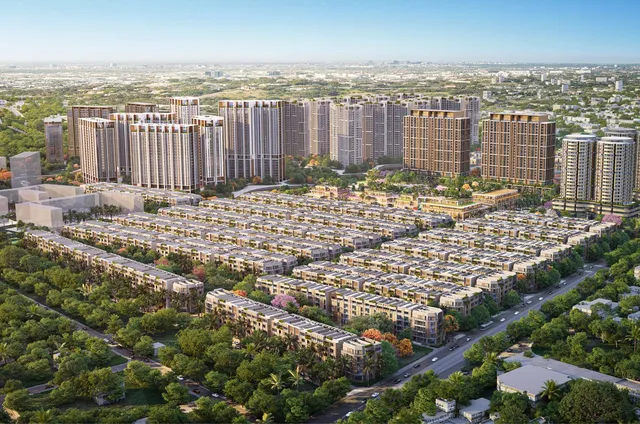 Selling now Foreign quota
 Masterise Homes · Luxury apartment & integrated township
The Global City
An Phu, Thu Duc City (former District 2), HCMC
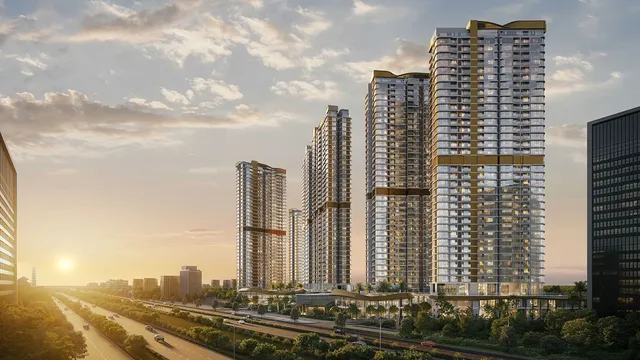 Selling now Foreign quota
 Gamuda Land · Luxury apartment
Eaton Park
An Phu, Thu Duc City, HCMC
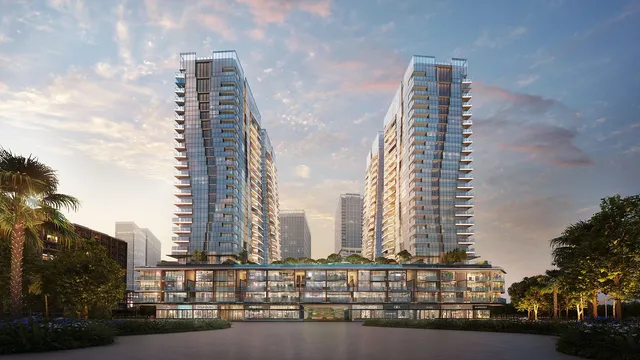 Selling now Foreign quota
 SonKim Land × Hongkong Land · Branded residences
The Metropole Thủ Thiêm
Thu Thiem, Thu Duc City, HCMC