
Cost of Living in Ho Chi Minh City 2026 for Expats
Ho Chi Minh City (HCMC, still widely called Saigon) remains one of Asia’s best-value cities for foreign residents in 2026 — but “cheap” depends entirely on the lifestyle you choose. A single professional can live well on roughly USD 1,200–1,800 a month, while a family in a riverside apartment with kids in an international school can easily spend USD 6,000–10,000 a month, almost all of it driven by rent and tuition.
This guide breaks down the real 2026 numbers — rent, food, schooling, utilities, transport and healthcare — and then answers the question most expats reach within a year or two: should you keep renting, or buy? All figures below are honest reference ranges, not quotes; exchange rates, neighbourhoods and personal habits will move your actual spend. (USD/VND is assumed at roughly 25,000 VND to the dollar.)
Your total monthly budget depends on three big levers: rent, schooling and how “Western” you eat
For most single expats, USD 1,200–1,800 a month covers a comfortable mid-range life; families add rent and school fees on top of everything else. The single biggest variable is housing, followed by international-school tuition if you have children, and then how much imported and Western food you buy. Lock those three down and the rest of your budget is remarkably predictable.
Here is a realistic 2026 snapshot for three household types:
| Profile | Typical monthly range (USD) | What it buys |
|---|---|---|
| Budget single (local lifestyle) | 900–1,300 | Studio/1BR outside the center, mostly local food, motorbike |
| Comfortable single/couple | 1,500–2,800 | Modern 1–2BR in Thao Dien or D2, mix of local and Western dining |
| Family with school-age kids | 6,000–10,000+ | 3BR riverside apartment + 1–2 children in international school |
The jump from “comfortable single” to “family” is almost entirely rent and tuition — daily living costs barely change. If you are still weighing the city against your home country or planning a move, our foreigner guide to living in Ho Chi Minh City walks through the practical setup steps beyond budgeting.
Rent is your largest single expense, ranging from USD 400 to USD 3,000+ depending on district
Expect USD 400–600 for a basic 1-bedroom and USD 1,000–2,000 for a quality 2–3BR in popular expat neighbourhoods. As of early 2026, the citywide average for a 1-bedroom apartment sits around USD 580 per month, but expat-favoured areas command a clear premium and are rising faster than the city average.
The neighbourhoods most foreigners choose:
| Area | Typical expat rent (2BR/3BR, USD/month) | Character |
|---|---|---|
| Thao Dien (Thu Duc City) | 1,000–2,500 | Leafy, walkable, international cafes and schools |
| An Phu / District 2 | 700–1,800 | Newer apartments, slightly cheaper than Thao Dien |
| Phu My Hung (District 7) | 1,000–2,000 | Master-planned, family-friendly, clean air |
| Thu Thiem | ~1,400 (2BR) and up | New luxury towers, river and skyline views |
| District 1 | 800–2,500+ | Central, vibrant, the priciest 1-bedrooms in the city |
Rents in premium areas like Thao Dien and Thu Thiem are growing roughly 6–8% per year, outpacing the citywide average of about 5%. Furnished units, river views and high floors all push you toward the top of each range. If you want to see the kinds of finished towers expats rent and buy in, browse our current Ho Chi Minh City projects, including landmark developments like The Global City and The Metropole Thu Thiem.
Food can cost USD 150 a month or USD 800 a month — the choice is yours
Eating local keeps food spending near USD 150–250 a month; a Western diet with imported groceries pushes it past USD 500–800. Street food remains genuinely cheap: a banh mi runs about USD 0.80–1.40, a bowl of pho USD 1.80–2.80, and a full street meal often under USD 2.
Restaurant and grocery reality in 2026:
- Street stalls and local eateries: USD 1–3 per meal.
- Mid-range Vietnamese restaurant or cafe main: USD 7–12.
- Western brunch or Italian dinner: USD 15–25 per person.
- Mid-range dinner for two: around USD 23.
- Monthly groceries (single person): USD 120–220, rising sharply if you buy imported cheese, wine and packaged Western goods.
The pattern is consistent: Vietnamese ingredients and dishes are inexpensive, while imported items carry a heavy markup. Expats who treat local food as the default — and Western food as an occasional treat — keep this category very low.
International school fees are the budget shock for families, from USD 6,000 to over USD 35,000 a year
Plan for USD 6,000–12,000 a year at bilingual schools and USD 18,000–35,000+ at flagship British or IB schools — per child. This single line item can dwarf rent for families, and it is the most important number to confirm before relocating.
Indicative 2026 annual tuition by tier:
| School tier | Examples | Annual tuition (USD) |
|---|---|---|
| Bilingual / lower-cost | VAS, Horizon, WASS | 6,000–12,000 |
| Mid-tier British / IB | BVIS, AIS Saigon | 13,000–30,000 |
| Premium IB | ISHCMC and peers | 18,000–32,000+ |
Two warnings every parent should heed. First, the real first-year cost typically runs 20–30% above the headline tuition once you add application, registration, refundable deposit, capital/building levy, technology fees and meals or transport. Second, there is more room to negotiate than schools advertise — sibling discounts, 2–4% annual prepayment discounts, and spreading the capital levy over two to three years are often available, especially for larger families. Always treat published fees as a starting point and request a full first-year cost sheet in writing.
Disclaimer: School fees, eligibility and discounts change every academic year and vary by year group. Confirm current figures directly with each school’s admissions office before budgeting.
Utilities, transport and healthcare add a predictable USD 250–500 a month
Budget roughly USD 60–140 for utilities, USD 30–100 for transport, and USD 80–150 for private health insurance each month. These are the steady, lower-drama parts of an HCMC budget.
Utilities (mid-range apartment):
- Electricity: USD 40–100+ — almost entirely driven by air-conditioning. Running A/C 24/7 can double your bill in the March–October hot season.
- Water: USD 2–6 (genuinely cheap).
- Internet (50–100+ Mbps): USD 12–20.
Transport:
- GrabBike short hops: USD 0.80–2.
- A 20-minute Grab car ride: USD 3–5.
- Owning a scooter: roughly USD 50–80 to rent monthly plus USD 20–30 fuel — and choosing motorbikes over taxis can cut transport costs by around 70%.
Healthcare: A GP visit at a private clinic runs USD 30–60. Comprehensive private expat health insurance typically costs USD 80–150 a month (USD 1,300–3,200+ a year), with premiums rising steeply with age and pre-existing conditions often excluded. Health insurance is not universally mandated in 2026, but work-permit and some long-term-visa holders may need proof of coverage.
Disclaimer: Insurance pricing is highly individual. Get personalised quotes; do not rely on averages for your own plan.
For most expats, renting wins — but buyers chase long-term capital growth, not yield
Rent if your horizon is short or uncertain; consider buying only with a 5-year-plus view and an appetite for capital appreciation over rental income. This is the central financial decision for committed residents, and the math in 2026 favours patience.
Here is the honest comparison:
| Factor | Renting | Buying |
|---|---|---|
| Upfront cost | 1–2 months deposit | 20–50% of price + taxes/fees |
| Flexibility | High — move anytime | Low — illiquid, slow to sell |
| Monthly cost | Predictable rent | Mortgage/opportunity cost + fees |
| Net rental yield (landlord) | n/a | ~2.6–3.1% after costs |
| Main upside | Mobility, no market risk | Long-term price appreciation |
As of early 2026, the median HCMC apartment price is roughly USD 3,650/sqm, with mid-range districts (Binh Thanh, District 7) near USD 2,500/sqm and luxury areas (District 1, Thu Thiem) reaching USD 7,000–12,000+/sqm. Gross rental yields sit around 3.5–4.5%, but once you subtract management fees (8–10% of rent), building service charges and vacancy, net yields fall to roughly 2.6–3.1% for a typical foreign landlord. In other words, buying in HCMC is a bet on capital growth, not cash flow. Our deeper analysis of rental yields in Ho Chi Minh City breaks the numbers down further.
Foreigners can legally own and lease out apartments under Vietnam’s Housing Law 2023 and Real Estate Business Law 2023, subject to building caps (foreigners may own up to 30% of units in a condominium) and property-type limits. The process has real paperwork and pitfalls, so read our step-by-step buying process for foreigners before committing, and consider established master-planned communities such as Vinhomes Grand Park where foreign-ownership quotas and resale liquidity are clearer.
Disclaimer: Property prices, yields and ownership rules change and depend on the specific project and contract. This is general information, not legal, tax or investment advice. Consult a licensed lawyer and tax advisor before purchasing.
A practical example: what a comfortable couple actually spends
A non-parent couple living well in Thao Dien typically lands around USD 2,500–3,500 a month all-in. Here is a representative monthly breakdown:
| Category | Monthly (USD) |
|---|---|
| Rent (modern 2BR) | 1,200–1,800 |
| Food (mixed local/Western) | 500–800 |
| Utilities + internet | 80–140 |
| Transport (Grab + scooter) | 80–150 |
| Health insurance (two adults) | 200–300 |
| Leisure, gym, misc. | 300–500 |
| Total | ~2,400–3,700 |
Swap Thao Dien for a smart District 7 or Binh Thanh apartment and lean more local on food, and the same couple can comfortably live under USD 2,000. Add a child in a mid-tier international school and the total jumps by USD 1,200–2,500 a month.
Conclusion
Ho Chi Minh City in 2026 offers a rare combination: world-class affordability on daily living, paired with optional premium tiers — international schools, riverside towers, imported groceries — that let you spend as much as you like. For singles and couples, it is one of Asia’s most cost-efficient cities. For families, the budget is dominated by rent and tuition, so those two numbers deserve careful research before you move.
If you are weighing a longer-term stay and want to understand local neighbourhoods, pricing and whether buying makes sense for your situation, our team specialises in helping foreign residents navigate exactly this decision. Get in touch with Happy Land for tailored, honest guidance, or learn more about who we are and how we work.
Frequently asked questions
How much money do I need to live comfortably in Ho Chi Minh City in 2026?
A single expat can live comfortably on roughly USD 1,200–1,800 per month, covering a modern 1-bedroom apartment, a mix of local and Western food, transport and health insurance. Couples typically spend USD 2,400–3,700 in a popular area like Thao Dien, while families with children in international school often spend USD 6,000–10,000+ because tuition and larger rent dominate the budget.
How much is rent in Ho Chi Minh City for foreigners?
As of early 2026, the citywide average 1-bedroom is around USD 580 per month. Expats favour Thao Dien, An Phu/District 2, Phu My Hung (District 7) and Thu Thiem, where quality 2–3 bedroom apartments typically run USD 1,000–2,500. Basic 1-bedrooms outside the center can be found for USD 400–600. Premium areas are rising about 6–8% per year.
How much are international school fees in Ho Chi Minh City?
Bilingual schools generally charge USD 6,000–12,000 per year, mid-tier British and IB schools USD 13,000–30,000, and premium IB schools USD 18,000–35,000+ — per child. Budget an extra 20–30% in the first year for application, registration, capital levy and other one-off fees. Always confirm current figures directly with each school.
Is it better to rent or buy property in Ho Chi Minh City as a foreigner?
For most expats and anyone with a horizon under five years, renting is the practical choice due to flexibility and low upfront cost. Buying makes sense only with a long-term view focused on capital appreciation, since net rental yields for foreign landlords are modest at around 2.6–3.1% after management fees, service charges and vacancy. Foreigners can legally buy apartments under the 2023 Housing and Real Estate Business Laws, subject to a 30% building cap and other limits.
How much do utilities cost per month in Ho Chi Minh City?
Most expats in a mid-range apartment spend USD 60–140 per month on utilities. Electricity (USD 40–100+) is the main variable and is driven almost entirely by air-conditioning use during the hot season. Water is very cheap at USD 2–6, and 50–100+ Mbps internet runs about USD 12–20 per month.
Projects for sale now
Get the latest price list, availability & payment terms — free advice via Zalo/WhatsApp.
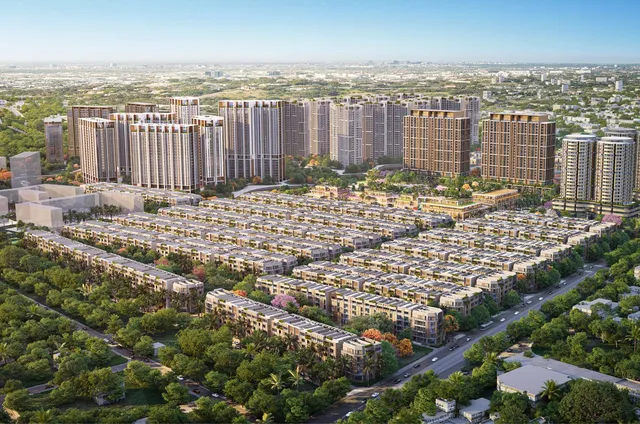 Selling now Foreign quota
 Masterise Homes · Luxury apartment & integrated township
The Global City
An Phu, Thu Duc City (former District 2), HCMC
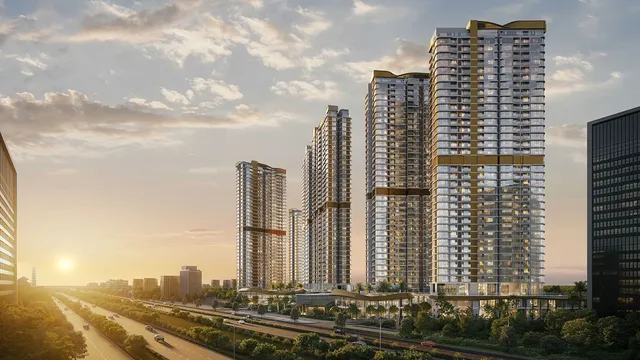 Selling now Foreign quota
 Gamuda Land · Luxury apartment
Eaton Park
An Phu, Thu Duc City, HCMC
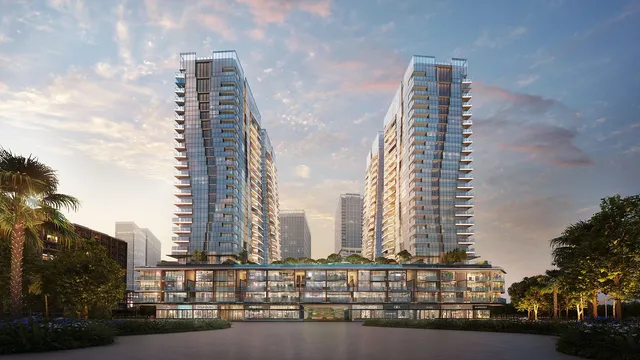 Selling now Foreign quota
 SonKim Land × Hongkong Land · Branded residences
The Metropole Thủ Thiêm
Thu Thiem, Thu Duc City, HCMC