Nam Long Group Developer Review for Foreign Buyers (2026): The Japanese-Partnered Township Builder
If you are researching Vietnamese developers as a foreign buyer, Nam Long Group is one you will meet quickly — particularly if you are drawn to its Japanese-partnered townships. This review gives you a balanced picture: what Nam Long is good at, where it sits in the market, why the Japanese connection matters, and the honest caveats you should weigh. As with every developer, the goal is not hype — it is to help you decide whether Nam Long fits your plan, and then to verify the specific project yourself.
This is general information for 2026, not legal, financial or investment advice. Company facts and project statuses change. Confirm the legal status of any specific unit with a licensed Vietnamese lawyer before you transact.
Who Nam Long is
Nam Long Investment Corporation was founded in 1992 and is listed on the Ho Chi Minh Stock Exchange (ticker NLG) — one of the longer-established, publicly-listed developers in Vietnam. Being listed matters for a foreign buyer: financials, debt and governance are disclosed, which is more transparency than you get from many private developers. Its leverage has generally been conservative for the sector, and no bond default has been associated with it.
Positioning is important to be clear about: Nam Long is an affordable-to-mid-market township developer, not a luxury brand. It builds large planned communities and segmented housing rather than trophy high-rises. That is a strength (scale, planning, value) but it also means you should calibrate expectations — this is not the same segment as the ultra-prime riverfront towers.
The Japanese partnership — the real differentiator
The most distinctive thing about Nam Long for a foreign audience is its long-running partnership with two Japanese companies: Hankyu Hanshin Properties and Nishi Nippon Railroad (Nishitetsu). The collaboration dates to 2015 and, over roughly a decade, has spanned several townships and product lines.
Why it matters:
- These joint-venture projects — for example the Flora apartment lines, Mizuki Park, Akari City and Izumi City — are typically the most internationally marketed and are associated with Japanese planning and management standards.
- For Japanese buyers especially, a familiar co-developer name is a meaningful comfort factor.
One honest nuance: public sources do not always spell out each Japanese partner’s exact role on each project, so treat individual-project specifics with appropriate care rather than assuming a uniform structure.
Flagship projects
- Waterpoint — a large integrated township in Bến Lức, Long An, west of HCMC; Nam Long’s biggest single-project statement.
- Mizuki Park — a Japanese-partnered township in Bình Chánh, HCMC.
- Akari City — a Japanese-partnered development in Bình Tân, HCMC.
- Izumi City — a large township in Đồng Nai (Biên Hòa, in the eastern HCMC region).
- Đại Phước and Nam Long Cần Thơ — further township and provincial projects.
Its housing brands are segmented so you can place a project quickly: EHome/EHomeS (affordable), Flora (mid-tier apartments, several with the Japanese partners) and Valora (higher-end landed homes — villas, townhouses, shophouses).
Can foreigners buy?
In the apartment projects, generally yes — within Vietnam’s rule that foreigners may own up to 30% of the units in an apartment building, held on a 50-year renewable leasehold rather than freehold. The detail is in our guides to the 30% foreign-ownership quota and the 50-year leasehold explained. The Valora landed products (villas/townhouses) are generally restricted for foreign individuals.
Because the Japanese-JV apartment projects are popular, the foreign quota can fill up — so confirm current availability early.
The honest caveats
A good review says the awkward parts out loud.
- Mid-market, not luxury. Set expectations for finishes and positioning accordingly.
- A cooler 2025. Nam Long’s 2025 sales came in softer than an ambitious target amid a slower market in its provincial areas. It remained lower-leverage than most peers with no default found, but absorption and execution risk are real in the current cycle.
- Reputation is not a substitute for due diligence. This is the most important point, and Nam Long itself provides the textbook example: its flagship Izumi City carried a sub-division-level planning mismatch in Biên Hòa (the detailed 1/500 plans did not reconcile with the older overall plan) that was only resolved in late 2024. A top-tier developer’s flagship township can still carry a years-long planning-law defect at the phase level.
The takeaway is not “avoid Nam Long” — it is that you must independently verify the exact project and phase you are buying: the approved 1/500 detailed plan, the sales-eligibility permit, the off-plan bank guarantee if it is off-plan, and the title (pink book) eligibility. Use our how to vet a developer and due-diligence checklist guides, and read this alongside our other developer reviews such as Vinhomes.
Bottom line for a foreign buyer
Nam Long is a credible, transparent, mid-market township developer whose Japanese partnership is a genuine draw — especially for Japanese buyers and anyone who values Japanese planning and management standards in projects like Mizuki Park, Akari City and Izumi City. Judge it for what it is (value-oriented planned communities, not luxury towers), weigh the cooler 2025 backdrop, and — as the Izumi City case shows — verify the specific project’s legal status yourself before you buy. Do that, and a Nam Long apartment can be a sensible, well-managed entry into the HCMC region.
This article is general information only and not legal, financial or investment advice. Verify any developer’s current standing and any specific project’s legal status with licensed professionals before transacting.
As a primary-market distributor in Ho Chi Minh City, Happy Land can share current availability, foreign-quota status and the legal position on specific Nam Long and other projects. Browse current projects, see the best new condo projects, or contact our team on Zalo or WhatsApp.
Frequently asked questions
Is Nam Long Group a reputable developer for foreign buyers?
Comparatively, yes. Nam Long (Nam Long Investment Corporation) is one of Vietnam's longer-established listed developers — founded in 1992 and listed on the Ho Chi Minh Stock Exchange (ticker NLG) — with foreign institutional backing and relatively conservative leverage for the sector. That transparency is a genuine positive. Two important caveats: it is an affordable-to-mid-market township builder, not a luxury brand; and — as with any developer — a strong overall reputation does not guarantee the legal status of any single project or phase, which you must still verify yourself.
What is special about Nam Long's Japanese partnership?
Since 2015, Nam Long has co-developed a series of projects with two Japanese partners — Hankyu Hanshin Properties and Nishi Nippon Railroad (Nishitetsu). Over roughly a decade the partnership has spanned several townships and product lines (for example the Flora apartments, Mizuki Park, Akari City and Izumi City). For foreign — and especially Japanese — buyers this is a real differentiator: these joint-venture projects tend to be the most internationally marketed and are associated with Japanese planning and management standards. Public sources do not always spell out each Japanese partner's exact role project by project, so treat specifics at the individual-project level with care.
What are Nam Long's main projects and product lines?
Flagship townships include Waterpoint (a large integrated township in Bến Lức, Long An), Mizuki Park (Bình Chánh, HCMC), Akari City (Bình Tân, HCMC), Izumi City (Đồng Nai, in the eastern HCMC region) and Nam Long's Đại Phước and Cần Thơ projects. Its housing brands are segmented: EHome/EHomeS (affordable), Flora (mid-tier apartments, several built with the Japanese partners) and Valora (higher-end landed homes — villas, townhouses, shophouses).
Can foreigners buy in Nam Long projects?
In the apartment projects, generally yes — subject to Vietnam's rule that foreigners can own up to 30% of the units in a given apartment building, on a 50-year renewable leasehold rather than freehold. The Valora landed products (villas/townhouses) are generally restricted for foreign individuals. Because the Japanese-JV apartment projects are popular, the foreign quota can fill up, so confirm current availability and the specific unit's legal status before you commit.
Are there risks a foreign buyer should know about Nam Long?
A few, stated honestly. It is mid-market, not luxury, so set expectations accordingly. Its 2025 sales were softer than an ambitious target amid a cooler market in its provincial areas (though it remains lower-leverage than most peers, with no bond default found). And a concrete reminder that reputation is not a substitute for due diligence: its flagship Izumi City carried a sub-division-level planning mismatch in Biên Hòa that was only resolved in late 2024. Always verify the exact project and phase's approved 1/500 detailed plan, permits and title eligibility independently before buying.
Projects for sale now
Get the latest price list, availability & payment terms — free advice via Zalo/WhatsApp.
 Selling now Foreign quota
 Masterise Homes · Luxury apartment & integrated township
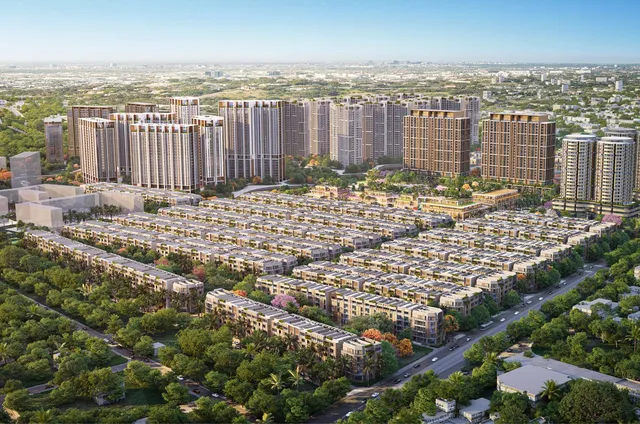
The Global City
An Phu, Thu Duc City (former District 2), HCMC
 Selling now Foreign quota
 Gamuda Land · Luxury apartment
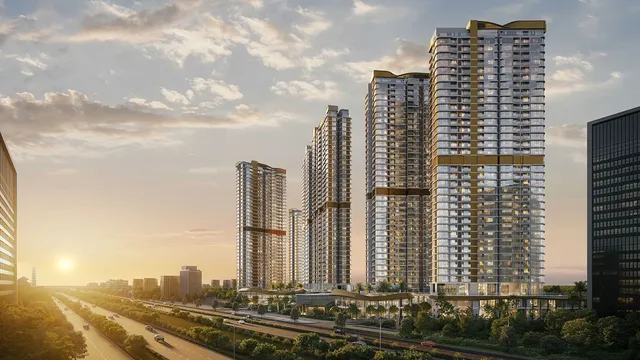
Eaton Park
An Phu, Thu Duc City, HCMC
 Selling now Foreign quota
 SonKim Land × Hongkong Land · Branded residences
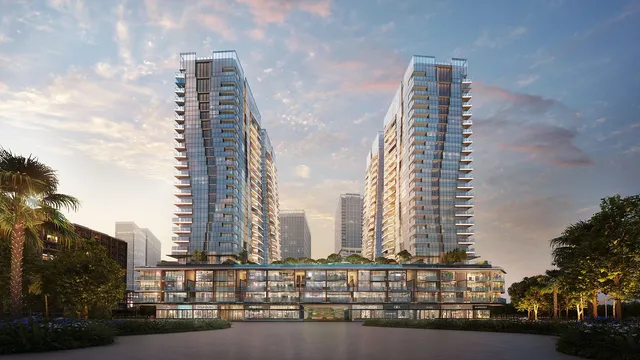
The Metropole Thủ Thiêm
Thu Thiem, Thu Duc City, HCMC