Apartments for Sale in Ho Chi Minh City: 2026 Foreigner's Guide
Ho Chi Minh City (Saigon) is Vietnam’s economic engine and the most active property market in the country, drawing both local and foreign buyers. If you are searching for apartments for sale in Ho Chi Minh City in 2026, this guide explains where to buy, realistic price ranges, and how the process works for foreigners — so you can shortlist with confidence rather than guesswork.
As a distribution agent, Happy Land offers developer prices and an up-to-date selection of available projects, including units that still carry foreign-ownership quota.
Foreigners can buy apartments in HCMC — within clear rules
Yes, foreigners can own apartments in Ho Chi Minh City, but only in approved commercial projects, within a 30% quota per building, on a renewable 50-year leasehold. You cannot own land use rights directly, and foreign-eligible units are limited, which makes them scarce in popular projects.
The essentials, under the Housing Law 2023 (effective 2025):
- You must have entered Vietnam legally (a passport entry stamp is enough).
- You can buy apartments and houses in commercial housing projects — not raw land.
- Up to 30% of the units in any one apartment building may be foreign-owned.
- Ownership runs for 50 years and is renewable; foreigners married to a Vietnamese citizen can hold long-term like a local.
For the full legal picture, read our foreigner ownership guide before committing.
Where to buy: a district-by-district snapshot
HCMC is not one market but a cluster of very different districts, and choosing the right area matters more than chasing the “hottest” project. The table below gives reference price bands for new and near-new apartments in 2026 (figures are indicative and change by project, floor and view).
| Area | Best for | Reference price |
|---|---|---|
| District 1 | Central luxury, branded residences | ~120–250+ million VND/m² |
| Thu Thiem (Thu Duc City) | New CBD, riverfront luxury | ~150–450 million VND/m² |
| Thao Dien / District 2 | Expat community, leasing | ~60–170 million VND/m² |
| District 7 / Phu My Hung | Families, Korean/Japanese community | ~55–120 million VND/m² |
| Thu Duc City (former D9) | Value, growth, townships | ~45–100 million VND/m² |
A few starting points by buyer type:
- Expats and rental investors gravitate to Thao Dien and District 7 / Phu My Hung, where international schools, hospitals and amenities are established.
- Luxury and store-of-value buyers look at District 1 branded residences and Thu Thiem.
- Value and growth seekers consider Thu Duc City, where large townships offer lower entry prices and strong infrastructure upside.
If you are weighing several areas, our comparison of the best areas to buy in HCMC for foreigners puts price, yield and lifestyle side by side. To see live options, browse the projects Happy Land distributes.
Featured projects across the city
The right project depends on your budget and goal, so it helps to compare a few flagship developments side by side. Among the projects Happy Land distributes:
- The Global City — a 117-hectare township in An Phu, master-planned by Foster + Partners.
- The Metropole Thu Thiem — riverfront branded residences facing District 1.
- Vinhomes Grand Park — a large, well-amenitised township with more accessible entry prices.
- Lumiere Riverside — handed-over branded apartments near Thao Dien and Metro Line 1.
Each listing shows reference pricing, unit types and remaining foreign-quota status.
How to buy: the process in brief
Buying an apartment in HCMC as a foreigner follows a clear sequence, and most steps can be handled with local support even if you are abroad. In short:
- Shortlist projects and confirm which units are foreign-eligible.
- Pay a reservation deposit, then sign the Sale & Purchase Agreement (SPA).
- Pay by the developer’s progress schedule (local mortgages are generally unavailable to non-residents).
- Take handover, then receive the pink book (ownership certificate).
Keep evidence of every payment transferred from overseas — it is essential if you later sell and want to move funds out. Our guides on the buying process and transferring money into Vietnam cover this in detail.
This article is general information for 2026, not legal, tax or investment advice. Rules and prices change — verify specifics for your situation before committing.
Conclusion
Ho Chi Minh City offers foreign buyers a genuine range — from value township apartments to central branded residences — but the 30% quota means good, foreign-eligible units move quickly. Decide whether you are buying to live or invest, pick the district that fits, and verify legal status and quota before you reserve.
When you are ready to see real options at developer prices, contact Happy Land for the latest price lists and available foreign-quota units.
Frequently asked questions
Can foreigners buy apartments in Ho Chi Minh City?
Yes. Foreigners who enter Vietnam legally can own apartments in approved commercial projects, within a 30% quota per building, on a renewable 50-year leasehold. You cannot own land use rights directly. Happy Land checks remaining foreign-quota units for each project.
How much does an apartment in Ho Chi Minh City cost in 2026?
As a reference, mid-market apartments start from around 1.9 billion VND in Thu Duc City, while premium and branded residences in District 1, District 2 (Thao Dien) and Thu Thiem range from roughly 6 to 18+ billion VND. Prices vary by location, floor and view.
Which area is best for foreigners to buy in HCMC?
Thao Dien (District 2) and District 7 (Phu My Hung) are the most established expat areas with international schools and amenities. District 1 and Thu Thiem suit luxury buyers, while Thu Duc City offers better value and growth. The best choice depends on whether you buy to live or invest.
Can foreigners get a mortgage to buy in HCMC?
Local bank mortgages are generally not available to non-resident foreigners. Most foreign buyers pay via the developer's progress-payment schedule or use offshore financing. Always keep records of funds transferred from abroad for future repatriation.
Projects for sale now
Get the latest price list, availability & payment terms — free advice via Zalo/WhatsApp.
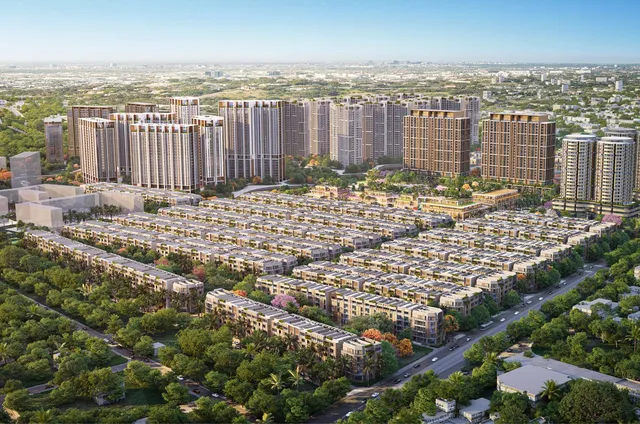 Selling now Foreign quota
 Masterise Homes · Luxury apartment & integrated township
The Global City
An Phu, Thu Duc City (former District 2), HCMC
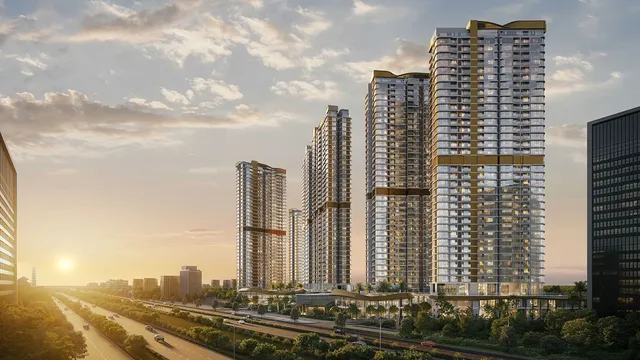 Selling now Foreign quota
 Gamuda Land · Luxury apartment
Eaton Park
An Phu, Thu Duc City, HCMC
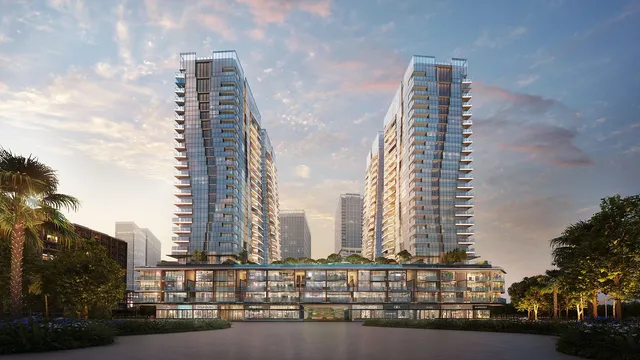 Selling now Foreign quota
 SonKim Land × Hongkong Land · Branded residences
The Metropole Thủ Thiêm
Thu Thiem, Thu Duc City, HCMC