
Vietnam Golden Visa & Residency by Property (2026 Reality Check)
If you are buying an apartment in Ho Chi Minh City and hoping it comes with the right to live in Vietnam, this is the honest answer you need before you sign anything. Buying property and obtaining residency are two completely separate legal processes in Vietnam, and conflating them is the single most expensive misunderstanding we see foreign buyers make. This guide is a 2026 reality check — what is actually law, what is still only a proposal, and how the genuine investor pathways work.
This article is general information for foreign buyers and investors, not legal, tax, or immigration advice. Visa rules change quickly in Vietnam; always confirm your specific situation with a licensed Vietnamese immigration lawyer before acting.
Buying property in Vietnam does not give you residency — full stop
Owning an apartment in Vietnam grants you no visa, no residence card, and no automatic right to live in the country. This is the most important sentence in this article. Vietnam’s property law and its immigration law are entirely separate systems, and a pink book (ownership certificate) is not a residence document.
In practical terms, a foreigner can legally buy a qualifying apartment while in Vietnam on nothing more than a tourist e-visa, provided the building is within the foreign-ownership quota and you meet the transaction’s documentation requirements. But that same purchase does nothing to extend how long you can stay. When your e-visa expires, you must leave or obtain a separate visa — even though you now own a home here.
Foreign individuals hold residential property on a 50-year ownership term (renewable once, for a theoretical maximum of around 100 years), and that term is about the asset, not about your immigration status. You can own property in Vietnam for decades while only ever visiting on short tourist stamps. If long-term living is your real goal, you must arrange a visa pathway independently of the purchase. If you want to understand the purchase mechanics themselves, our step-by-step buying process for foreigners covers eligibility, quotas, and paperwork.
Ready to separate the two questions cleanly? Talk to our Happy Land advisory team and we will map your property goals and your stay goals as two distinct plans.
The “Vietnam Golden Visa” is still a proposal — not a law you can apply for
As of mid-2026, there is no enacted Vietnam golden visa and no application portal — what circulates online is a government proposal, not active legislation. A great deal of marketing copy treats this as a done deal. It is not.
Here is the accurate state of play:
| Item | Status (mid-2026) | What it means for you |
|---|---|---|
| 10-year investor “golden visa” | Proposal only; no draft bill published | You cannot apply; no fixed price or criteria are law |
| Property-linked residency | Not proposed in any concrete form | Do not buy property expecting a visa |
| 5-year talent visa | Live via Decree 221/2025/NĐ-CP (effective 15 Aug 2025) | Real, but for high-skill talent, not buyers |
| IFC 10-year visa (UD1/UD2) | Live under a 2026 decree | Real, but tied to employment at the Financial Centre |
The proposed golden visa figures you may have seen (often quoted around USD 250,000 for five years and USD 400,000 for ten) come from a Tourism Advisory Board proposal and press commentary, not from a published statute. Independent immigration analysts, including Henley & Partners, have cautioned that a realistic first-application window is somewhere between late 2026 and 2028 — and that timelines in Vietnam routinely slip. Treat any agency promising “golden visa with your apartment today” as a red flag.
What is actually live: the DT investor visa (DT1–DT4)
The only investment-linked long-stay route available right now is the DT investor visa series, and it is tied to a registered company and capital contribution — not to a condo purchase. This is the mechanism real foreign investors use today.
The DT series is graded by how much capital you contribute to a Vietnamese enterprise:
| Visa | Capital contribution (VND) | Typical validity | Residence card eligibility |
|---|---|---|---|
| DT1 | ~100 billion+ (or priority sector) | up to 5 years | Temporary Residence Card up to 10 years |
| DT2 | 50 to under 100 billion | up to 5 years | TRC up to 10 years |
| DT3 | 3 to under 50 billion | up to 3 years | TRC up to 3 years |
| DT4 | under 3 billion | up to 12 months | Not eligible for a TRC |
A few honest caveats. The capital must genuinely be transferred into the company’s investment account in Vietnam, and immigration will ask for bank evidence of the injection. Buying a residential apartment in your personal name does not count as “investment capital” for a DT visa — the structure has to be a real business with a real enterprise registration certificate. Setting up a company purely to hold one apartment is a path some promoters sell, but it carries corporate tax, accounting, and compliance obligations that often outweigh the benefit, and it can change how the property is taxed when you sell. Get independent advice before going down that road; see our overview of taxes and costs when buying property in Vietnam.
If a long-term stay matters to you and you are also deploying meaningful capital, this is the realistic conversation to have. Ask Happy Land to introduce a vetted immigration lawyer alongside your property search.
The genuinely new 2026 routes: talent visa and the IFC
Two real long-stay channels did open in 2025–2026, but neither is triggered by buying real estate. They are worth knowing so you can judge whether you qualify on other grounds.
The 5-year talent visa (Decree 221/2025/NĐ-CP, effective August 2025) is a multiple-entry visa aimed at highly skilled professionals, scientists, and creatives at the top of their fields. It is the one piece of the broader “golden visa” announcement that actually became law. It is selective and merit-based, not purchase-based.
The International Financial Centre (IFC) policy in Ho Chi Minh City and Da Nang is the more eye-catching development. Under a 2026 decree, key investors, experts, managers, and highly skilled staff working for organizations headquartered at the IFC can receive a UD1 visa or temporary residence card valid up to 10 years, with UD2 cards for spouses and children under 18. Permanent residence can be considered after three consecutive years of qualifying employment at an IFC-based organization, with applications processed within around two months. Again, note the trigger: employment at an IFC entity, not ownership of an apartment near it. For context on how this fits the wider market, see our foreigner guide to Vietnam property.
Permanent residence and repatriation: the long game
Permanent residence in Vietnam is achievable but narrow, and your real “exit strategy” as a property owner is repatriating sale proceeds, not a passport. It is healthier to plan around this reality than around a hoped-for golden visa.
Vietnam’s Permanent Residence Card (valid 10 years, renewable, allowing visa-free entry/exit) generally requires one of: at least three years of continuous residence plus sponsorship by a Vietnamese-national or PR-holding spouse/parent/child; recognized significant contributions to Vietnam; or the new IFC employment pathway above. Property ownership is not, by itself, a qualifying criterion for any of these.
For most foreign buyers, the more relevant question is what happens to your money. Vietnam allows foreigners to remit sale proceeds and rental income abroad, but only if the funds entered through a properly documented, traceable banking channel in the first place. This is why how you pay in matters as much as how you sell. Our guide on repatriating funds from Vietnam property walks through the documentation you should keep from day one.
When you weigh all of this, the rational frame is simple: buy Vietnamese property because the asset and the market make sense, not because you expect it to deliver residency. The growth case stands on its own in projects like The Global City, Eaton Park, and Vinhomes Grand Park. Browse our full project portfolio to see what fits an investment-first thesis.
How to plan honestly in 2026
Separate your two goals, document everything, and ignore any “buy-property-get-residency” pitch until it is actually written into Vietnamese law. A workable approach:
- Decide your property goal on pure investment merits (yield, capital growth, foreign-quota availability, exit liquidity).
- Decide your stay goal separately — tourist e-visa, DT investor visa via a real business, talent visa, IFC route, or family-sponsored PR.
- Keep clean banking records of every inbound transfer so future repatriation is smooth.
- Re-check golden-visa news no more than quarterly; do not let a proposal drive a purchase decision.
- Take independent legal and tax advice before structuring any company “for the visa.”
This honesty is the whole point. The buyers who do well in Vietnam are the ones who never confused a pink book with a residence card.
Conclusion
In 2026, buying property in Vietnam remains a strong asset decision and a poor immigration strategy — because it is not an immigration strategy at all. The golden visa is still a proposal, the DT investor visa is the real (company-based) route, and the talent and IFC channels reward skills and employment rather than purchases. Plan the two tracks separately and you will avoid the costliest mistake foreign buyers make. To build a property plan grounded in reality rather than visa hype, reach out to the Happy Land team and we will give you a straight answer.
Frequently asked questions
Does buying property in Vietnam give me residency or a visa?
No. Property ownership and immigration status are separate legal systems in Vietnam. Owning an apartment gives you no visa and no automatic right to stay. You can even buy on a tourist e-visa, but you must arrange any long-term visa independently of the purchase. This is general information, not legal advice.
Is the Vietnam golden visa available in 2026?
Not as an enacted, applicable program. As of mid-2026 the 10-year investor 'golden visa' remains a government proposal with no published draft bill and no application portal. Only the 5-year talent visa (Decree 221/2025) and the IFC visa scheme have actually become law, and neither is triggered by buying real estate. Independent analysts suggest any golden visa launch could realistically fall between late 2026 and 2028.
What is the DT investor visa and can I get one by buying an apartment?
The DT1–DT4 investor visas are the only investment-linked long-stay route currently in force, but they require a genuine capital contribution to a registered Vietnamese company — not a personal apartment purchase. DT1 and DT2 can support a temporary residence card of up to 10 years. Setting up a company solely to hold property carries tax and compliance costs; get independent advice first.
How long can foreigners own property in Vietnam?
Foreign individuals typically own residential property on a 50-year term from the date the ownership certificate is issued, renewable once. This is about the asset's ownership period, not your visa or how long you may physically reside in Vietnam.
Can I become a permanent resident of Vietnam through property investment?
Property investment is not, by itself, a qualifying route to a Permanent Residence Card. The main pathways are three years of continuous residence with family sponsorship, recognized contributions to Vietnam, or qualifying employment at the International Financial Centre. Confirm your eligibility with a licensed Vietnamese immigration lawyer.
Projects for sale now
Get the latest price list, availability & payment terms — free advice via Zalo/WhatsApp.
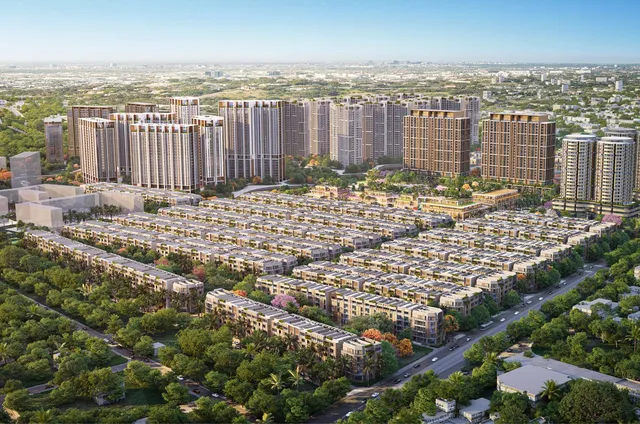 Selling now Foreign quota
 Masterise Homes · Luxury apartment & integrated township
The Global City
An Phu, Thu Duc City (former District 2), HCMC
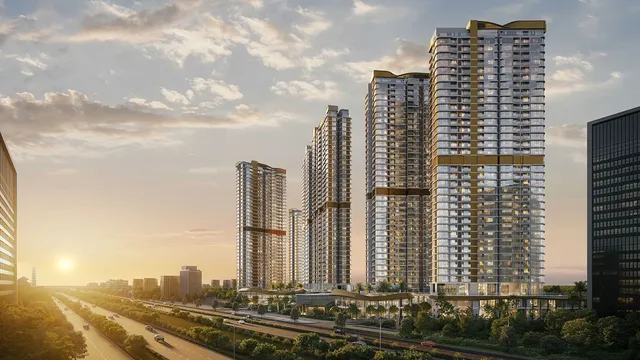 Selling now Foreign quota
 Gamuda Land · Luxury apartment
Eaton Park
An Phu, Thu Duc City, HCMC
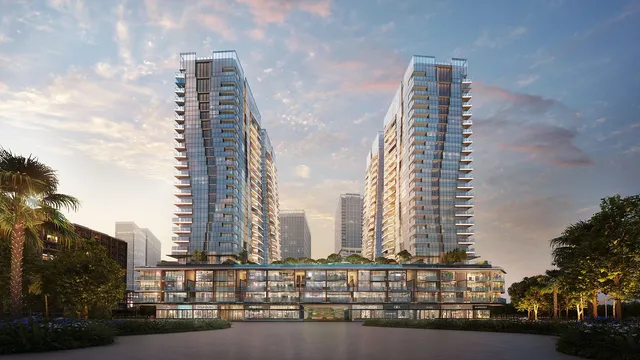 Selling now Foreign quota
 SonKim Land × Hongkong Land · Branded residences
The Metropole Thủ Thiêm
Thu Thiem, Thu Duc City, HCMC