
Can You Sell Your Vietnam Apartment Later? Exit Liquidity & the Resale Quota for Foreign Owners
Foreign buyers plan the purchase in detail and the sale not at all — yet “can I get out later, and at what price?” is one of the most important questions to answer before you buy, not after. The good news for 2026 is that exit liquidity for foreign owners has improved. The nuance is that who can buy your apartment, and on what terms, depends on the building’s foreign quota and an unresolved question about the ownership term. This guide explains how resale really works for a foreign owner, so you can buy with a clear-eyed view of your exit.
This is general information for 2026, not legal, tax or investment advice. Ownership and resale rules are evolving and some points are genuinely unsettled. Confirm the current position and your specific situation with a licensed Vietnamese lawyer before you buy or sell.
The good news: you can sell — to two different buyer pools
Start with the reassurance. A foreign owner is not stuck. You have two buyer pools, and the difference between them is the key to understanding your liquidity.
- Vietnamese citizens — always available, the largest market, and not constrained by the foreign quota or the foreign ownership term. When you sell to a Vietnamese buyer, the unit effectively leaves the foreign-quota pool and becomes ordinary domestic ownership.
- Other eligible foreigners — the 2023 Housing Law permits foreigner-to-foreigner resale, which was a real improvement over the older approach that pushed foreigners toward citizen-only buyers. This widened the exit options for foreign owners.
So your apartment is sellable. The practical questions are who the realistic buyer is for your specific unit, and what a foreign buyer actually receives — which is where the quota and the term come in.
The catch: the 30% quota still applies on resale
Selling to another foreigner is not unconstrained. A resale to a foreign buyer must still respect the building’s 30% per-building foreign-ownership cap (and the ward-level limits on landed homes). We explain the cap itself in the 30% foreign-ownership quota.
Why this matters for your exit: in a popular project where the foreign quota is full or close to it, the pool of foreign buyers who can actually be registered on your unit narrows. In that situation your reliable buyers are Vietnamese citizens, which can affect both your exit price and how long the sale takes. The precise handling of a foreigner-to-foreigner transfer in a fully-subscribed building can vary in practice, so treat this as a point to verify with a lawyer for your specific building rather than a settled formula. For the buyer’s side of resale, see can foreigners buy a resale apartment.
The unresolved question: fresh 50 years, or only the remaining term?
This is the one every long-term investor should understand. When a foreigner sells a resale unit to another foreigner, it is currently unresolved whether the buyer receives a fresh 50-year ownership term or only the years remaining on the original certificate.
This is not a detail — it is a material risk to resale value in the later years of the term. If a foreign buyer only inherits, say, the remaining years rather than a new 50, the unit becomes progressively less attractive to the next foreign buyer as the clock runs down, which pressures the resale price in the final decade. The mechanics of the term and any renewal are covered in the 50-year leasehold explained, but the honest position today is that this specific resale point is unsettled. Confirm the current legal treatment with a licensed lawyer, and price the remaining term into your expectations rather than assuming it resets on sale.
Note that a Vietnamese buyer is not affected by this at all — another reason the domestic market is the dependable exit.
What this means for how you buy
Because your exit depends on buyer pools, quota and term, the smart moves happen at purchase, not at sale:
- Buy a unit with broad local appeal. Location, a sensible price point and a practical layout make your apartment attractive to Vietnamese buyers — your always-available exit — not just to foreigners.
- Be aware of the building’s foreign-quota situation. A near-full foreign quota narrows your future foreign-buyer pool; it doesn’t stop you selling, but it shapes who buys.
- Think about the term horizon. If you may hold into the later years of the 50-year term, weigh the unresolved resale-term question and lean toward broad-appeal units the domestic market will want.
- Keep a clean document set from day one. Your pink book, notarized SPA, tax receipts and inbound banking trail make a future resale — and repatriation — straightforward.
For the bigger investment picture behind these choices, see is Vietnam real estate a good investment in 2026.
The exit mechanics: tax, title and getting your money out
When you do sell, three things run in parallel:
- Transfer tax. A resident individual’s personal income tax on the transfer is currently 2% of the sale price (charged on the price, not the gain) — details and exemptions in selling property & foreigner taxes.
- Title transfer. A notarized transfer contract with the title updated at the land registration office moves ownership to the buyer.
- Repatriation. Getting your proceeds home depends on the documented inbound trail from when you bought — see repatriating funds from a sale.
These are the reason a complete document file matters as much for the sale as it did for the purchase.
Conclusion
Can you sell your Vietnam apartment later? Yes — to Vietnamese citizens always, and to other eligible foreigners since the 2023 Housing Law. But your realistic buyer pool depends on the building’s 30% foreign quota, and a genuinely unresolved question hangs over whether a foreign resale buyer gets a fresh 50-year term or only the remaining years, which matters most late in the term. The practical protection is to buy a broadly appealing unit the domestic market will always want, keep clean documents, and treat the foreign-quota and term questions as things to verify with a lawyer — before you buy, so your exit is planned, not improvised.
This article is general information only and not legal, tax or investment advice. Some resale points are unsettled and rules change. Confirm your specific situation with a licensed Vietnamese lawyer before transacting.
As a primary-market distributor in Ho Chi Minh City, Happy Land can point you to units with the broad appeal and quota headroom that protect your future exit. Browse current projects or contact our team on Zalo or WhatsApp to talk through liquidity before you buy.
Frequently asked questions
Can a foreigner sell their Vietnam apartment?
Yes. You can sell to a Vietnamese citizen — the largest buyer pool, with no foreign-quota constraint — or, under the 2023 Housing Law, to another eligible foreign buyer. A resale needs a notarized transfer contract and the title updated at the land registration office. Your exit is not blocked; what varies is who can buy, which depends partly on the building's foreign-ownership quota at the time you sell. Keep your documents in order so the transfer is clean.
Does the 30% quota affect selling to another foreigner?
Yes. A sale to a foreign buyer must still respect the building's 30% per-building foreign-ownership cap. In popular projects where the foreign quota is full or nearly full, the practical pool of foreign buyers who can be registered narrows, so your dependable buyers become Vietnamese citizens — which can affect your exit price and how quickly you sell. The precise handling of a foreigner-to-foreigner transfer within a filled quota can vary in practice, so confirm the current position with a licensed Vietnamese lawyer.
Will a foreign buyer of my resale unit get a fresh 50-year term or only the remaining years?
This is currently unresolved. The rules do not clearly state whether a foreign resale buyer receives a fresh 50-year ownership term or only the remaining years from the original certificate. It is a genuine risk to resale value, especially in the final decade of the term, because a shorter remaining term makes a unit less attractive to the next foreign buyer. Confirm the current legal position with a licensed lawyer, and price the remaining term into your expectations rather than assuming a reset.
Who is the most reliable buyer for my apartment?
Vietnamese citizens. Selling to a Vietnamese buyer is always available and is not constrained by the foreign quota or the foreign ownership term, which is exactly why the domestic market is your dependable exit. Choosing a unit with broad local appeal — good location, a sensible price point and a practical layout — protects your liquidity regardless of the foreign-quota situation.
What should I keep so a resale goes smoothly?
Your pink book (ownership certificate), the notarized sale-and-purchase agreement, tax-payment receipts, and the inbound banking trail from when you bought. These make the notarized transfer and title update clean, are needed to settle the 2% transfer tax, and are essential if you want to repatriate the proceeds afterwards. A complete file is what keeps a resale — and getting your money out — straightforward.
Projects for sale now
Get the latest price list, availability & payment terms — free advice via Zalo/WhatsApp.
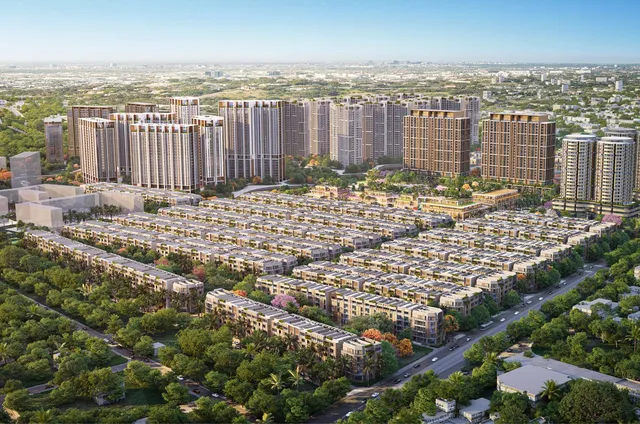 Selling now Foreign quota
 Masterise Homes · Luxury apartment & integrated township
The Global City
An Phu, Thu Duc City (former District 2), HCMC
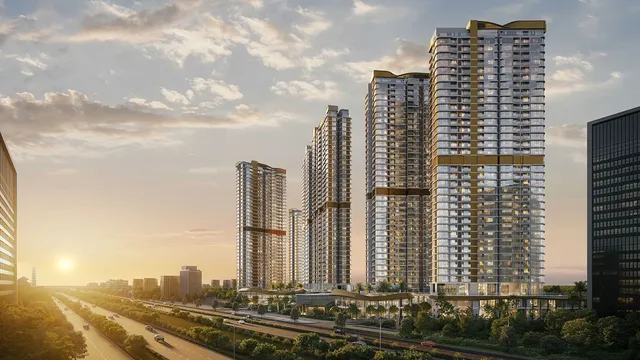 Selling now Foreign quota
 Gamuda Land · Luxury apartment
Eaton Park
An Phu, Thu Duc City, HCMC
 Selling now Foreign quota
 SonKim Land × Hongkong Land · Branded residences
The Metropole Thủ Thiêm
Thu Thiem, Thu Duc City, HCMC