
The Annual Land-Use Tax on Vietnam Property: What Foreign Owners Pay Each Year
When foreign buyers budget for a Vietnam apartment, they usually account for the price, the one-off purchase taxes and the monthly management fee — and overlook a small tax paid every year: the non-agricultural land-use tax. It is a “holding” tax on residential land, and it applies to the land portion allocated to your apartment too. The amount is modest for most owners, but it is a recurring obligation worth understanding so nothing surprises you. This guide explains what it is, who pays, the rates, how it is worked out for an apartment, where to pay, and how the 2026 land-price table can move the figure.
This is general information for 2026, not tax advice. Rates, local allowances and the land-price table vary by locality and change; the figures here are indicative. Confirm your specific amount with the local tax authority.
What the annual land-use tax is
This is a tax paid every year on residential land (and some other non-agricultural land), by the land-use-rights holder — the owner. Unlike the registration fee at purchase or the 2% personal income tax at sale, which are one-off, this land-use tax is an ongoing obligation for as long as you own. For an apartment, it is charged on the small share of land allocated to your unit, so it is usually a low annual amount.
It is one line in the wider ownership-cost picture — see the recurring building charges in management fees & the maintenance fund and the fuller view in the cost of owning property in Vietnam.
The rate and how it’s worked out
The basic formula is:
Tax = taxable land area × land price (from the price table) × rate
For residential land the rate is tiered (indicative):
| Land portion | Rate |
|---|---|
| Within the local allowance (hạn mức) | 0.03% |
| Up to 3× the allowance | 0.07% |
| Above 3× the allowance | 0.15% |
The land price comes from the locality’s land-price table (multiplied by the area to give the taxable value), and the allowance is set locally. For most homes and apartments within the allowance, the 0.03% rate produces a small annual figure. The exact number depends on the area, the allowance and the land-price table, so confirm it with the tax office.
How it’s calculated for an apartment
Because many apartments share the building’s land, you cannot take the whole land plot for one unit. The tax uses an allocation coefficient: the land attributed to your unit is a share of the building’s land based on your unit’s floor area relative to the whole building. That small allocated area is then multiplied by the land-price-table value and the rate — typically giving a modest yearly amount. If it is unclear, the tax office or the building’s management board can help you work it out.
Where and when to pay
- Declare to the local tax authority where the property is located when your land-use rights arise.
- Pay annually, following the authority’s notice; in some cases you can pay for several years at once.
- Keep the receipts with your property file. For an overseas owner, this can be handled by a representative — see managing your property from abroad.
How the 2026 land-price table affects it
Because the taxable value is based on the land-price table, when that table is revised the tax can change with it. New tables taking effect from 2026 in many localities (including the expanded Ho Chi Minh City after the merger) can raise the taxable value, and with it several land-price-based charges. For this particular tax the effect is small, but it is worth keeping current — and it matters more for the one-off charges at purchase and sale, covered in taxes & costs when buying and selling & foreigner taxes. To estimate the one-off purchase costs, use our purchase cost calculator.
Conclusion
The annual non-agricultural land-use tax is a small but real recurring cost of owning a home or apartment in Vietnam, paid yearly by the owner on the land (or the apartment’s allocated land share), commonly at 0.03% within the allowance on the land-price-table value. For an apartment it is usually a modest amount thanks to the allocation coefficient. Declare it, pay on the notice, keep the receipts, and remember the 2026 land-price table can nudge the figure. Confirm your specific amount with the local tax authority.
This article is general information only and not tax advice. Rates, allowances and land-price tables vary and change. Confirm with the local tax authority before filing or relying on any figure.
As a primary-market distributor in Ho Chi Minh City, Happy Land helps foreign owners understand the full cost of buying and holding a property, in English. Browse current projects or contact our team on Zalo or WhatsApp.
Frequently asked questions
Do foreign apartment owners pay an annual land tax in Vietnam?
Yes, but it is small. The non-agricultural land-use tax is a yearly tax on residential land — including the land portion allocated to an apartment — paid by the land-use-rights holder, which is the owner. It is separate from the one-off taxes at purchase (registration fee) or sale (the 2% transfer tax). For an apartment, the tax is worked out on the small share of land allocated to your unit, so for most owners it is a modest annual amount. Confirm your figure with the local tax office.
What is the rate?
For residential land the rate is tiered: commonly 0.03% of the taxable value for land within the local allowance (hạn mức), 0.07% for the portion up to three times the allowance, and 0.15% above that. The taxable value is the land area multiplied by the price in the local land-price table. Because an apartment's allocated land area is small and usually within the allowance, the 0.03% rate typically yields a low annual figure. Rates, allowances and the land-price table vary, so verify locally.
How is the tax calculated for an apartment?
Because many apartments share the building's land, the tax uses an allocation coefficient: the land attributed to your unit is a share of the building's land based on your unit's floor area relative to the whole building. That allocated land area is then multiplied by the land-price-table value and the rate. The result is usually a small yearly amount. The tax office or the building's management can help you determine the figure.
Where and when do I pay it?
It is declared and paid to the local tax authority where the property is located, on an annual basis, following the authority's notice; in some cases you can pay for multiple years at once. A remote owner can handle this through a representative. Keep the payment receipts with your property file — they help confirm your obligations are met, which matters when you sell.
Can the 2026 land-price table change the tax?
Yes. Because the taxable value is based on the local land-price table, when that table is revised — as with the new tables taking effect from 2026 in many localities, including the expanded Ho Chi Minh City — the taxable value, and therefore the tax, can change. It is a small tax, but worth keeping current. It also affects other land-price-based charges at transaction time.
Projects for sale now
Get the latest price list, availability & payment terms — free advice via Zalo/WhatsApp.
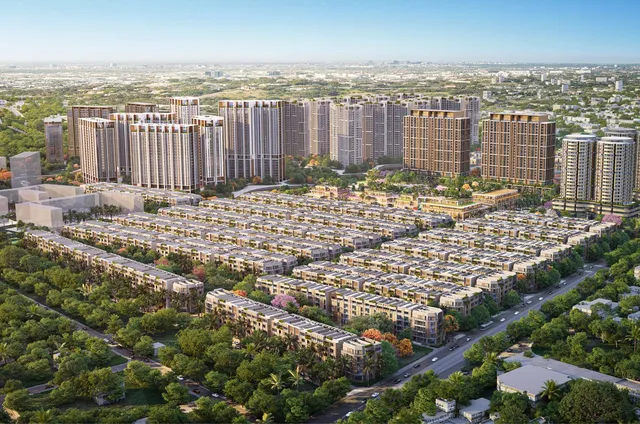 Selling now Foreign quota
 Masterise Homes · Luxury apartment & integrated township
The Global City
An Phu, Thu Duc City (former District 2), HCMC
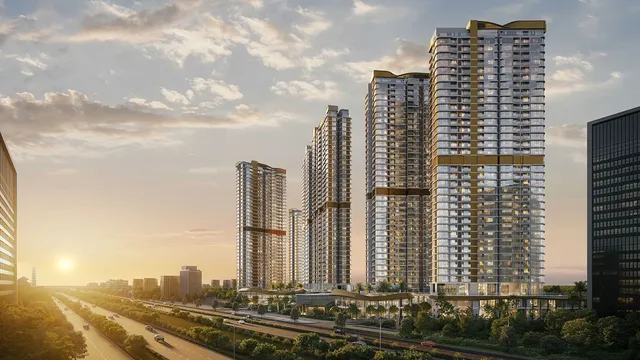 Selling now Foreign quota
 Gamuda Land · Luxury apartment
Eaton Park
An Phu, Thu Duc City, HCMC
 Selling now Foreign quota
 SonKim Land × Hongkong Land · Branded residences
The Metropole Thủ Thiêm
Thu Thiem, Thu Duc City, HCMC