
How to Choose the Right Unit in a Vietnamese Condo: Floor, View, Orientation & Layout (Foreigner Guide)
Choosing the project is only half the decision. Two apartments in the same building, at a similar price, can be very different homes — and very different investments — depending on the floor, the view, the direction they face and how the space is laid out. Foreign buyers often focus on the project and the price and then pick a unit almost by default, only to discover later that the west-facing living room bakes every afternoon, or that the “city view” now looks at a new tower. This guide walks through how to choose the right unit within a project, with an eye on both living in it and selling it later.
This is general information for 2026, not investment advice. Preferences and their effect on price vary by project, buyer and market. View a specific unit and confirm details with the developer before deciding.
Floor level: the trade-offs, and the resale twist
Higher is not automatically better — each floor band has trade-offs:
- Higher floors — better views, more light, less street noise, less dust and usually more privacy. The cost is a higher price and, in a power cut, a long climb.
- Lower floors — cheaper, quicker to access, and handy if you have young children or mobility needs. The downside is more noise, dust and passers-by, and often a poorer outlook.
- Mid-to-high floors — for many buyers the sweet spot, balancing view and value.
There is also a local resale twist: Vietnamese buyers frequently care about “lucky” and “unlucky” floor numbers. Whether or not that matters to you, it can affect how quickly and at what price you resell, because your most reliable future buyers are local. Keep that in mind when a particular floor is priced oddly high or low.
Orientation: the one people underweight in the tropics
In Ho Chi Minh City’s hot climate, which way the unit faces is a comfort and cost issue, not just a feng-shui one. A west-facing balcony or main glazing takes the full force of the afternoon sun, making rooms hotter and cooling bills higher; east, south and south-east aspects are generally more comfortable. If you are viewing in the morning, imagine the same room at 3pm.
Orientation (huong) is also a major feng-shui factor for local buyers, so a well-regarded direction supports resale while an awkward one can weigh on it. As with floor number, treat this as a resale variable even if it means nothing to you personally.
View: buy what you’ll actually see — now and later
A great view is worth paying for, but judge it carefully:
- Look at the real sightline, not the brochure. Stand at the actual unit or its floor if you can.
- Ask what could block it. A view over an empty lot or a low building can be built out. Check for approved projects nearby that might rise into your sightline.
- Prefer views that are hard to lose — an established river, a park, or protected open space holds value better than a temporary gap between towers.
A genuine river or park view commands a premium and tends to hold it; a “partial city view” that becomes a wall of the next tower does not.
Layout: you pay for built-up area, you live in the usable part
Two units with the same square metres can feel very different. Look for:
- The right bedroom count for your needs — don’t overpay for rooms you won’t use, or squeeze a family into too few.
- Efficiency — a good ratio of usable (carpet) area to built-up area. You are charged on built-up area but live in the usable part.
- Light and air — corner or dual-aspect units get light from two sides and feel larger; deep single-aspect units can be dark.
- Sensible placement — kitchen, bathrooms and bedrooms arranged logically, with minimal wasted “dead” space or long internal corridors.
If you might let the unit, lean toward broadly appealing layouts (a practical two-bedroom is a classic) that are easy to rent and resell, rather than unusual configurations — see Ho Chi Minh City rental yields for the income side.
Position on the floor, and the little things
Within a floor, details add up: a unit next to the lift is convenient but sees more foot traffic and noise, while a corner unit is usually quieter and brighter with more windows. Check proximity to the refuse chute, generator or plant rooms, and whether a neighbouring tower overlooks your balcony. These are easy to overlook in a show unit but shape daily life.
Remember, too, that the show unit (nha mau) is often more finished and upgraded than what you receive — confirm the handover condition, which we cover in bare shell vs finished handover, and inspect the actual unit carefully at handover using the handover inspection guide.
Own-use vs investment: choose for the right goal
- Buying to live in? Optimise for your life — the light, the view, the layout and the direction you’ll enjoy daily.
- Buying to let or resell? Optimise for the broad market: a mid-to-high floor, a good but not ultra-premium view, a sensible two-bedroom layout, and a floor number and orientation the local market likes. Breadth of appeal protects both your rent and your exit, which ties back to is Vietnam real estate a good investment in 2026 and, for where to buy, the best areas for foreigners.
The two goals often overlap, but when they conflict, decide which one this purchase is really for.
Conclusion
Within a project, the unit you choose — its floor, view, orientation and layout — changes both how good it is to live in and how easy it is to sell. Weigh the floor trade-offs (and local floor-number preferences), respect orientation in the tropical heat, buy a view you’ll actually keep, and favour an efficient, broadly appealing layout. If you’re investing, lean toward what the local market wants, because Vietnamese buyers are your most dependable future buyers. Choose the unit as deliberately as you chose the project, and you protect both your enjoyment and your resale.
This article is general information only and not investment advice; preferences and their price effects vary. View the specific unit and confirm details with the developer before you commit.
As a primary-market distributor in Ho Chi Minh City, Happy Land can walk you through the available units in a project and flag the floor, view, orientation and layout that fit your goal and protect resale. Browse current projects or contact our team on Zalo or WhatsApp.
Frequently asked questions
Which floor is best in a Vietnamese condominium?
There is no single best floor — it is a trade-off. Higher floors generally give better views, more light, less street noise and less dust, but cost more. Lower floors are cheaper and easier to access (useful in a power cut) but can have more noise, less privacy and a poorer outlook. Mid-to-high floors often balance these well. One local factor to know: Vietnamese buyers often care about 'lucky' and 'unlucky' floor numbers, so the floor you choose can affect how easily — and at what price — you resell later.
Does orientation matter in Ho Chi Minh City's climate?
Yes, more than many buyers expect. In HCMC's hot, tropical climate a west-facing balcony or main windows catch harsh afternoon sun and heat, which means higher cooling costs and a warmer home; east, south or south-east aspects are usually more comfortable. Orientation (huong) also matters to local buyers for feng-shui reasons, so a well-regarded direction supports your resale value while an awkward one can weigh on it.
How should I judge the view before buying?
Look at what you will actually see now and in the future, not just the show unit's photos. A genuine river or park view commands a premium and holds value; a view over an empty lot or a low building can be blocked later by new construction. Ask the developer and check local planning for approved projects nearby that could rise into your sightline, and prefer views that are hard to build out — an established river, park or protected open space.
What should I look for in the layout?
Match the number of bedrooms to your actual needs, then favour an efficient layout: a good usable-to-built-up area ratio (you pay for built-up area but live in the usable part), natural light from a corner or dual-aspect position, sensible kitchen and bathroom placement, and minimal wasted 'dead' space. If you may rent it out, broadly appealing layouts — a practical two-bedroom, for example — are easier to let and resell than unusual ones.
Should I care about feng shui if I don't believe in it?
For your own comfort, buy the unit that suits you. But remember your eventual buyer: most Vietnamese buyers do weigh floor number and orientation (huong), so a unit that ignores these local preferences can be slower or cheaper to resell. Treating floor and direction as resale factors — not personal beliefs — protects your exit value, which matters because the domestic market is your most reliable pool of future buyers.
Projects for sale now
Get the latest price list, availability & payment terms — free advice via Zalo/WhatsApp.
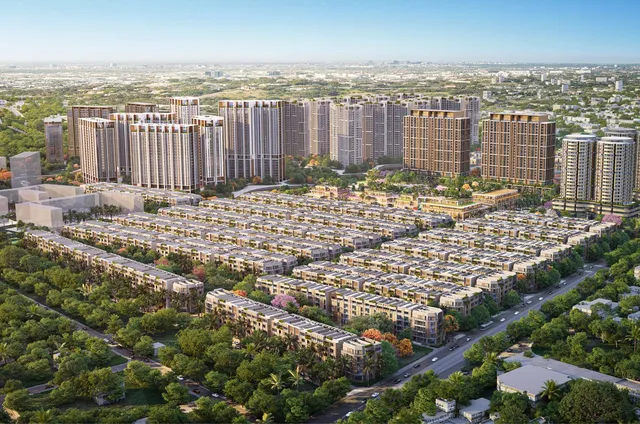 Selling now Foreign quota
 Masterise Homes · Luxury apartment & integrated township
The Global City
An Phu, Thu Duc City (former District 2), HCMC
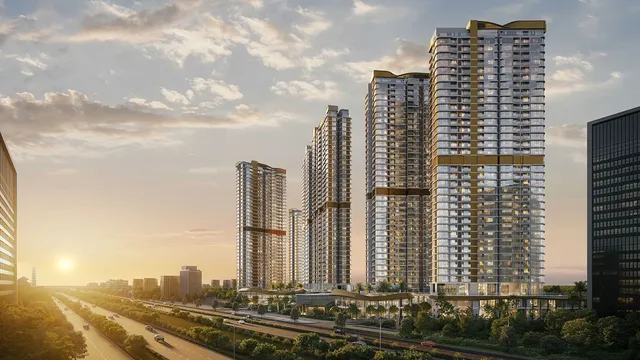 Selling now Foreign quota
 Gamuda Land · Luxury apartment
Eaton Park
An Phu, Thu Duc City, HCMC
 Selling now Foreign quota
 SonKim Land × Hongkong Land · Branded residences
The Metropole Thủ Thiêm
Thu Thiem, Thu Duc City, HCMC