
Renovating & Fitting Out Your Vietnam Apartment as a Foreigner (2026)
Buying an apartment is only half the story. Whether you have taken handover of a brand-new bare-shell unit or bought a tired older one on the secondary market, turning it into a home (or a rentable asset) means renovating and fitting out — and in Vietnam that process is governed by building regulations and a management board, not just your own taste. This 2026 guide explains, in plain English, what a foreign owner can and cannot change, how approvals work, what fit-out a new unit actually needs, what it costs, and how to run the job even if you live overseas.
You can renovate — but the building, not your nationality, sets the rules
Good news first: Vietnamese law treats foreign apartment owners and Vietnamese owners the same way when it comes to renovating. Your right to alter your own unit flows from your ownership (recorded on the pink book / certificate) under the Housing Law 2023 and Land Law 2024, and nothing in those laws singles out foreigners for tougher renovation rules. What actually constrains you is the building’s own regulations and its management board (in Vietnamese, Ban Quản Lý, often shortened to BQL — strictly the operating manager, working under the residents’ management board).
The single most important principle: for any work beyond rearranging furniture, you need the management board’s written approval before you start. No approval means construction can be stopped on the spot, and you can lose your deposit or face restoration costs. If you are renting rather than owning, you also need your landlord’s written consent before you approach the building at all.
Within your unit you generally have wide freedom over finishes, joinery, lighting and non-structural layout. The hard limits — which essentially no management board will approve — are:
- Demolishing or cutting into load-bearing walls, beams or columns
- Altering the building facade, windows or balcony exterior (this is shared “common property,” not yours)
- Relocating shared plumbing or electrical conduits / risers that serve other units
- Moving wet areas (bathrooms, kitchen waste stacks) in ways that breach the waterproofing or drainage of the unit below
- Tampering with fire-safety systems — sprinkler heads, smoke detectors, emergency lighting — without compliant, certified drawings
A wall that looks like a flimsy partition may in fact be structural. Never assume — the board verifies your plans against the building’s original structural drawings, and so should your contractor.
Permits: management-board approval vs a construction permit
Foreigners often ask whether they need a government construction permit. For the great majority of apartment work the answer is no. Interior-only renovations that do not affect structure, the facade or fire safety usually require only the management board’s internal approval — not a municipal construction permit. A formal permit only comes into play for “significant works” touching structure or the building envelope, which, as above, apartment regulations almost always prohibit anyway.
A typical approval submission to the management board includes:
- A completed renovation application form (in Vietnamese)
- The as-built floor plan plus architectural drawings of all proposed changes
- M&E (mechanical & electrical) drawings
- PCCC (fire-safety) drawings, certified, showing fire devices stay compliant after work
- The contractor’s business licence
- A worker list with national ID (CCCD/passport) copies and photos for security registration
- A copy of your pink book (ownership) or, for renters, the lease and landlord consent
With a complete file, approval in Ho Chi Minh City buildings is commonly granted within about 3–7 working days. The most frequent cause of rejection is faulty or missing fire-safety drawings, so use a contractor who produces these in-house rather than a “decorator” who only makes 3D renders.
Bare shell vs basic finish: what your new unit actually needs
New Vietnamese developments hand over in one of two broad conditions, and which one you have dramatically changes your fit-out scope and budget. Confirm exactly what is included in your sale contract before you take handover — and combine your renovation planning with a proper apartment handover inspection so defects are the developer’s problem, not yours.
| Handover condition | What’s typically included | What fit-out it still needs |
|---|---|---|
| Bare shell (“thô”) | Structural shell, plastered/rough walls, capped utilities, sometimes no internal floor finish, no kitchen, no wardrobes | Floor & wall finishes, ceiling, full kitchen, bathrooms fit-out, all joinery, lighting, sometimes A/C — essentially everything |
| Basic finish (developer “full”/handover spec) | Floors tiled/wood, walls painted, ceilings, bathroom sanitaryware, basic kitchen cabinetry, A/C provision | Furniture, wardrobes, soft furnishing, upgrades to kitchen/bathrooms, lighting tweaks, decoration |
| Move-in / furnished | Above plus loose furniture & appliances (rare in primary market, common in rentals) | Personalisation only |
Most foreign buyers in HCMC take a developer “full” (basic finish) unit and add furniture, wardrobes and a kitchen upgrade. A genuine bare-shell unit gives you total design freedom but means a complete fit-out — more cost, more time, and a heavier approval file.
Hiring a contractor: fixed-price vs design-and-build
The Vietnamese term you’ll hear is thi công nội thất — interior fit-out / construction. There are two common ways to engage one:
Fixed-price (lump-sum) contract. You (or a separate designer) provide complete drawings and a finish schedule, then a builder quotes a fixed total to execute exactly that. Best when your design is fully resolved and you want price certainty. Risk: anything not drawn becomes a variation, and variations are where budgets slip.
Design-and-build (turnkey). One company designs, prices, obtains management-board and fire-safety approval, registers workers, and builds. Best for overseas owners and first-timers because a single party owns the result and the permit chain. Risk: less competitive tension on price, so still get the breakdown itemised.
Whatever the model, insist on these before signing:
- A business licence covering interior design and construction, not “decoration” only
- In-house M&E and PCCC drawing capability (not outsourced)
- Documented experience in your building or its grade (Grade-A buildings in Districts 1, 2/Thủ Đức and 7 are stricter)
- A written, itemised quote with a clear finish and materials schedule — beware quotes far below market, which often signal skipped permits or substituted materials
- A defects/warranty period in writing
Avoid any contractor who asks you to handle the building submission, or who cannot show you a sample approved permit file.
What it costs: indicative 2026 ranges
Costs vary widely by spec, building grade and how much you import versus buy locally. Treat the table below as indicative 2026 figures, not quotes — materials prices move, and your building’s rules add fees. The fit-out rates are for turnkey construction excluding loose furniture and appliances unless stated.
| Item | Basic / simple-modern | Mid-range | Premium |
|---|---|---|---|
| Turnkey fit-out (per m²) | ~4–6 million VND | ~7–10 million VND | ~12–15 million+ VND |
| 70–90 m² unit, fit-out only | ~300–500 million VND | ~550–850 million VND | ~1.0–1.5 billion+ VND |
| Cosmetic refresh (already-finished unit) | ~80–150 million VND | — | — |
| Design fee (if separate) | from ~180,000 VND/m² | ~200,000–400,000 VND/m² | negotiated |
| Management-board deposit (refundable) | ~10–30 million VND | — | — |
| Worker cards, waste disposal, daily fees | ~15–50 million VND total | — | — |
Two cost notes foreigners often miss. First, the refundable construction deposit held by the building (commonly 10–30 million VND) is released only after a clean final inspection — typically within 7–15 working days — so budget the cash-flow gap. Second, ongoing management fees and the building’s maintenance fund are separate from your renovation; understand them via our guide to apartment management fees and the 2% maintenance fund.
Timeline and the rules that slow you down
For a standard two-bedroom (70–90 m²), expect roughly 6–10 weeks of construction after approval; a full gut renovation with heavier works can run 12–16 weeks. Add 1–2 weeks for design and the approval cycle on top.
Two building rules routinely stretch that timeline:
- Working hours. Many HCMC buildings restrict work to weekdays, often roughly 08:00–11:30 and 13:30–17:00, with noisy work (drilling, demolition) confined to even shorter windows. Weekend and holiday work is frequently banned. This is the biggest hidden driver of how long a job really takes.
- Worker registration. Every worker must be pre-registered with name, ID copy and photo, and carry a building access card. Unregistered workers are turned away at security — lost days you pay for.
Running it from overseas
Plenty of foreign owners renovate without living in Vietnam. The structure that makes it work:
- Engage a design-and-build contractor who owns the entire permit chain, so your involvement is design decisions and sign-offs, not paperwork.
- Pay in milestones tied to verifiable progress — for example deposit, after demolition/M&E rough-in, after joinery installation, and a retention held until final inspection and snag-list completion. Resist large up-front payments.
- Require evidence: dated photos, video walk-throughs, and a documented final inspection.
- Appoint a local set of eyes — a trusted friend, a paid project supervisor, or your property manager — to attend the site and the handover.
This is exactly the kind of work covered in our guide to managing your Vietnam property from abroad. And if your goal is rental income, plan finishes and durability around tenants from the start — see renting out your apartment in Vietnam before you choose materials.
Common pitfalls to avoid
- Starting before written approval. The fastest way to a stop-work order and a forfeited deposit.
- Moving plumbing or wet areas. Re-routing bathroom waste or kitchen stacks risks leaks into the unit below and is usually refused outright.
- Assuming a wall is non-structural. Check the original drawings; the board will.
- Hiring a “decorator,” not a licensed contractor. Beautiful renders, no permit-ready drawings, rejected file.
- Ignoring noise-hour rules. Repeated complaints can get your job suspended mid-stream.
- Forgetting the deposit and ancillary fees. They are real cash you must front and recover.
A practical sequence
In order: confirm exactly what your handover includes; commission a designer or a design-and-build contractor; finalise drawings (architectural, M&E, PCCC); submit to the management board and pay the deposit; register workers; build within approved hours; pass final inspection; recover your deposit. Do those in order, with the right contractor, and a Vietnam fit-out is genuinely manageable — even from the other side of the world.
This article is general information only and is not legal, financial or investment advice; building regulations, fees and prices vary and change, so confirm specifics with your building’s management board and, for anything touching structure or contracts, a licensed Vietnamese lawyer or qualified adviser. If you’d like help choosing a renovation-friendly new project, understanding a handover spec, or being connected with vetted fit-out contractors, the Happy Land team is happy to assist in English via Zalo or WhatsApp — and you can browse our project listings to start.
Frequently asked questions
Can a foreigner legally renovate an apartment they own in Vietnam?
Yes. The legal framework treats foreign owners and Vietnamese owners the same way for renovation purposes. What governs you is not your nationality but the building regulations and the management board (Ban Quan Ly). For any work beyond moving furniture, you must obtain the building management board's written approval before starting, and you may not touch load-bearing structure, the facade, or shared utility conduits without separate, often unobtainable, approvals. Renters need their landlord's written consent on top of management approval.
Do I need a government construction permit, or just building management approval?
For interior-only work that does not affect structural elements, the facade, fire-safety systems, or load-bearing walls, most Ho Chi Minh City buildings require only the management board's internal approval, not a municipal construction permit. A formal permit becomes relevant for significant works affecting structure or the building envelope, which most apartment regulations prohibit anyway. Your licensed contractor should advise on which path applies; if anyone proposes structural changes, get a qualified Vietnamese lawyer and engineer involved.
How much does it cost to fit out a bare-shell apartment in Ho Chi Minh City?
As an indicative 2026 guide, full turnkey interior fit-out (thi cong noi that) typically runs from around 4-6 million VND per m2 for a basic, simple-modern spec up to 12-15 million VND per m2 or more for premium joinery and materials, before loose furniture and appliances. A simple cosmetic refresh of an already-finished unit can be far less. These figures move with materials prices and building grade, so always get itemised quotes from two or three contractors.
Can I manage the renovation remotely from overseas?
Yes, many owners do, but it requires the right structure. Hire a design-and-build contractor who handles the management-board submission, fire-safety drawings, and worker registration, then agree milestone-based payments tied to verifiable progress (photos, video walk-throughs, and a final inspection) rather than paying large sums up front. Appointing a trusted local representative or a property manager to attend the site and the handover protects you from the most common remote-supervision problems.
What are the most common renovation mistakes foreigners make?
Starting work before the management board approves it (which can mean an immediate stop-work order and loss of your deposit); assuming a partition wall is non-structural without checking the original drawings; trying to move plumbing or bathroom waste stacks; hiring a decorator who produces pretty renders but no permit-ready technical drawings; and ignoring the building's noise and working-hour windows. Each of these can cost far more to unwind than to avoid.
Projects for sale now
Get the latest price list, availability & payment terms — free advice via Zalo/WhatsApp.
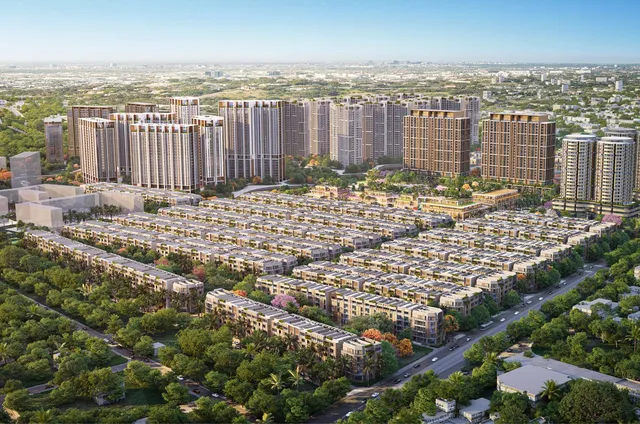 Selling now Foreign quota
 Masterise Homes · Luxury apartment & integrated township
The Global City
An Phu, Thu Duc City (former District 2), HCMC
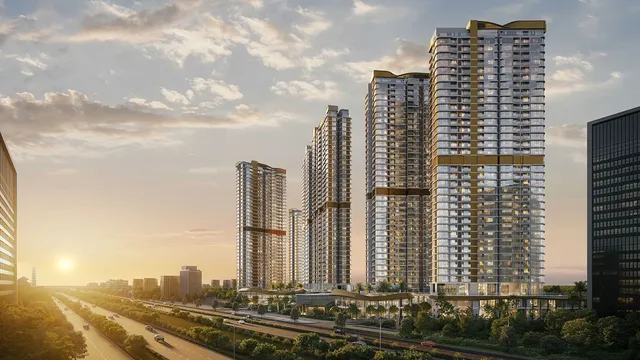 Selling now Foreign quota
 Gamuda Land · Luxury apartment
Eaton Park
An Phu, Thu Duc City, HCMC
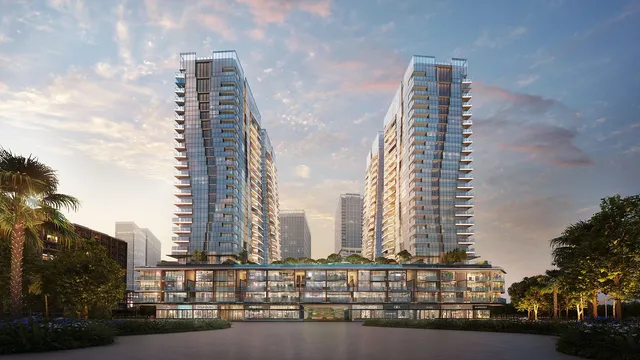 Selling now Foreign quota
 SonKim Land × Hongkong Land · Branded residences
The Metropole Thủ Thiêm
Thu Thiem, Thu Duc City, HCMC